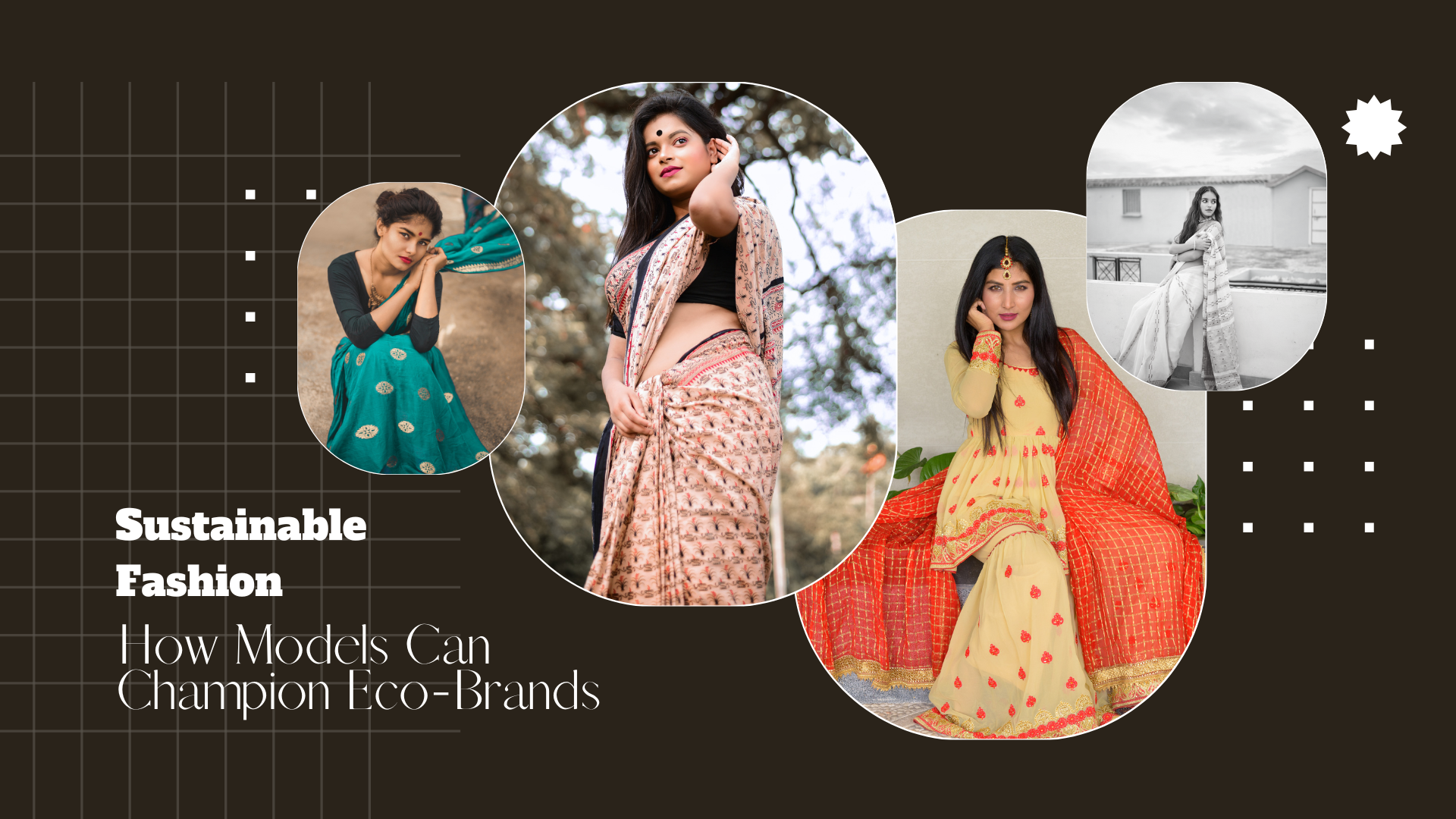
The fashion industry is undergoing a seismic shift. Gone are the days when models were simply silent mannequins. Today, in an era defined by climate awareness and social responsibility, models are influential voices with the power to reshape consumer behavior.
For talent in India, this revolution is personal. We stand at the intersection of ancient heritage, like Khadi and handlooms, and modern innovation. For a model on Dazzlerr, championing eco-conscious brands isn’t just an ethical choice; it is a strategic career move that can define your personal brand.
Here is how you can navigate the sustainable fashion revolution and become a face for the future.
Why Sustainability Matters Now
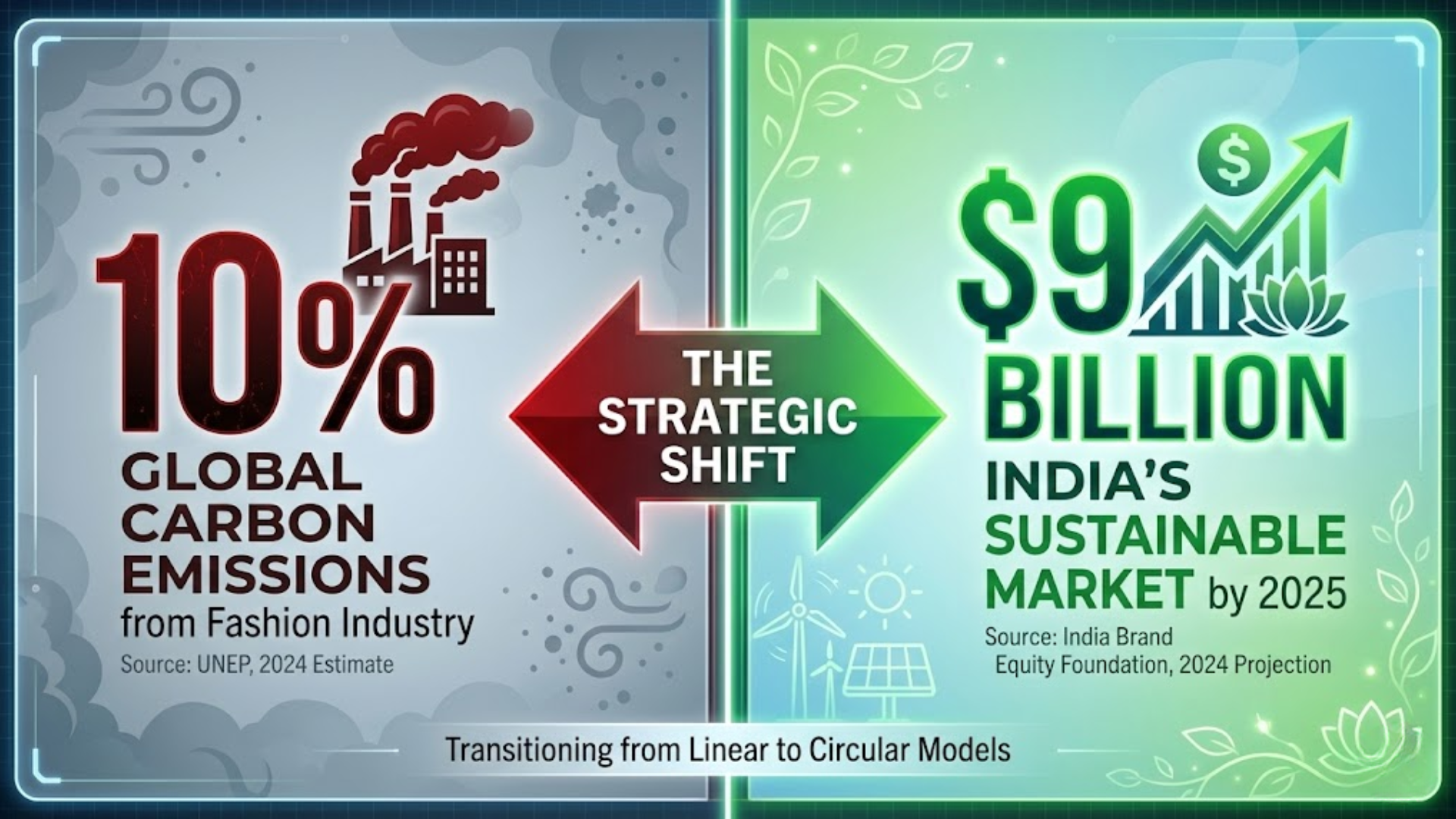
The statistics are impossible to ignore. The fashion industry is responsible for approximately 10% of global carbon emissions, which is more than international flights and maritime shipping combined.
However, the tide is turning. The sustainable fashion market in India is projected to reach $9 billion by 2025. Why? Because consumers, especially Gen Z and Millennials, are no longer just buying clothes; they are buying values. They want transparency, ethical labor practices, and materials that don’t harm the planet.
As a model, aligning yourself with this growth puts you ahead of the curve.
The Indian Advantage: Know Your Fabrics
To be a successful ambassador for sustainable brands, you need to speak their language. You aren’t just selling a “look”; you are selling a story of heritage and science.
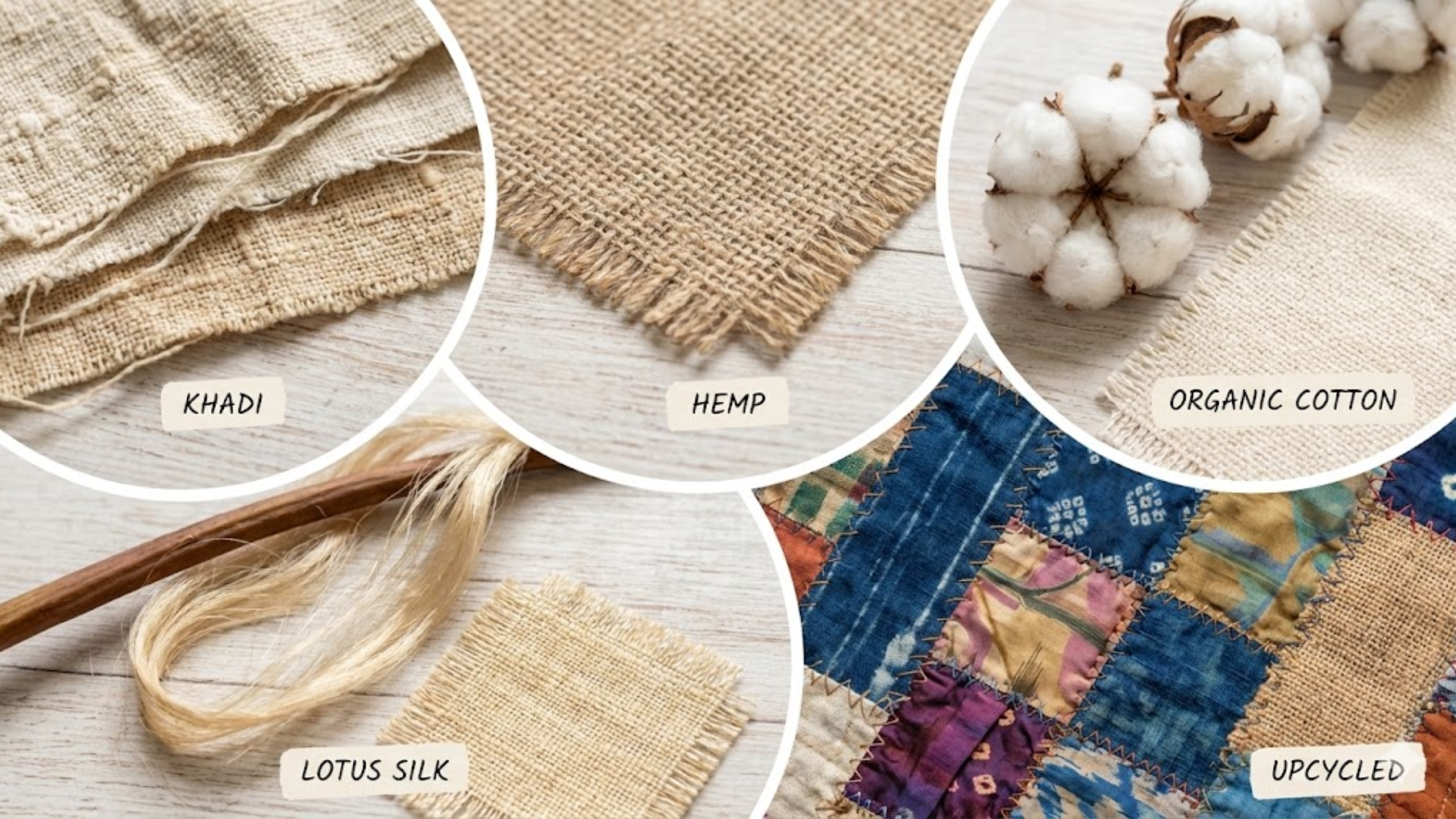
Here are the key fabrics every Indian model should know:
- Khadi (The Freedom Fabric): Hand-spun and hand-woven, Khadi has a near-zero carbon footprint. It symbolizes self-reliance and supports rural artisans.
- Hemp: Emerging as a “super crop” in Uttarakhand and Himachal, Hemp requires 50% less water than cotton and needs no pesticides. It is durable, anti-bacterial, and increasingly popular in street style.
- Organic Cotton: Unlike conventional cotton, this is grown without toxic pesticides and uses significantly less water. India is a leading producer of this soft, soil-friendly material.
- Lotus Silk (Ahimsa Silk): A luxury niche, this is extracted from lotus stems and is 100% cruelty-free. It’s perfect for high-end ethical campaigns.
- Upcycled Textiles: Brands like Doodlage are turning factory waste into high fashion. This promotes a “circular economy” where nothing goes to the landfill.
How to Build an Eco-Conscious Portfolio
Recruiters for ethical brands look for authenticity. Here is how to curate a portfolio that attracts them.
1. Update Your Dazzlerr Profile
Recruiters use keywords to find talent. Update your Dazzlerr Bio and Skills section to include terms like “Sustainable Fashion Advocate,” “Handloom Enthusiast,” or “Ethical Modeling.” This signals that you are the right fit for conscious campaigns.
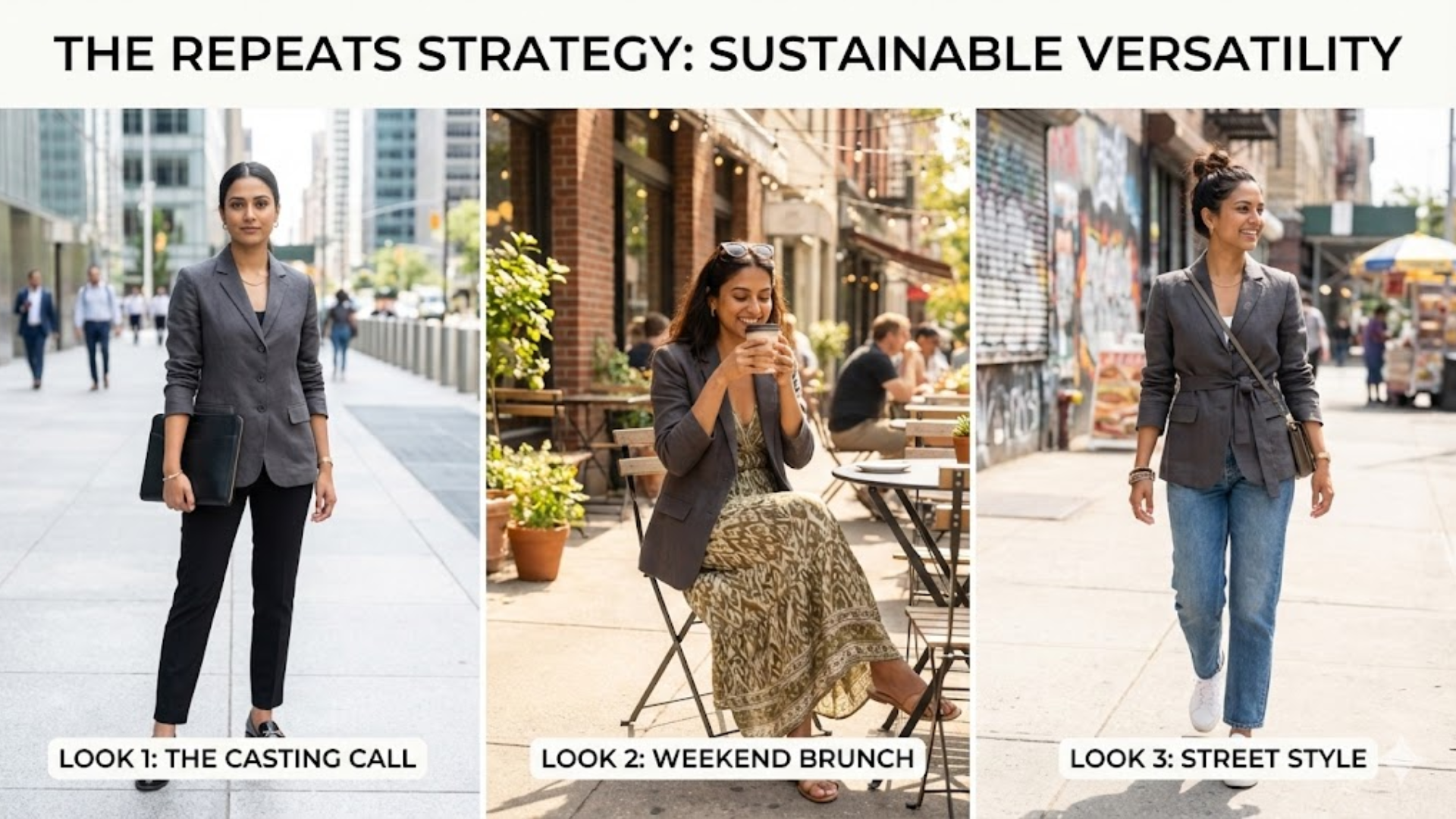
2. The “Repeats” Strategy
Break the industry taboo of “never wearing the same outfit twice.” Post photos restyling the same garment in multiple ways. This demonstrates that you value longevity and style over fast fashion trends.
3. Become a “Green Influencer.”
Use your social media captions to educate. Don’t just tag the brand; tell the story of the artisan who wove the fabric. Endorse rental platforms like Flyrobe or thrift stores. Show your audience that style doesn’t require ownership.
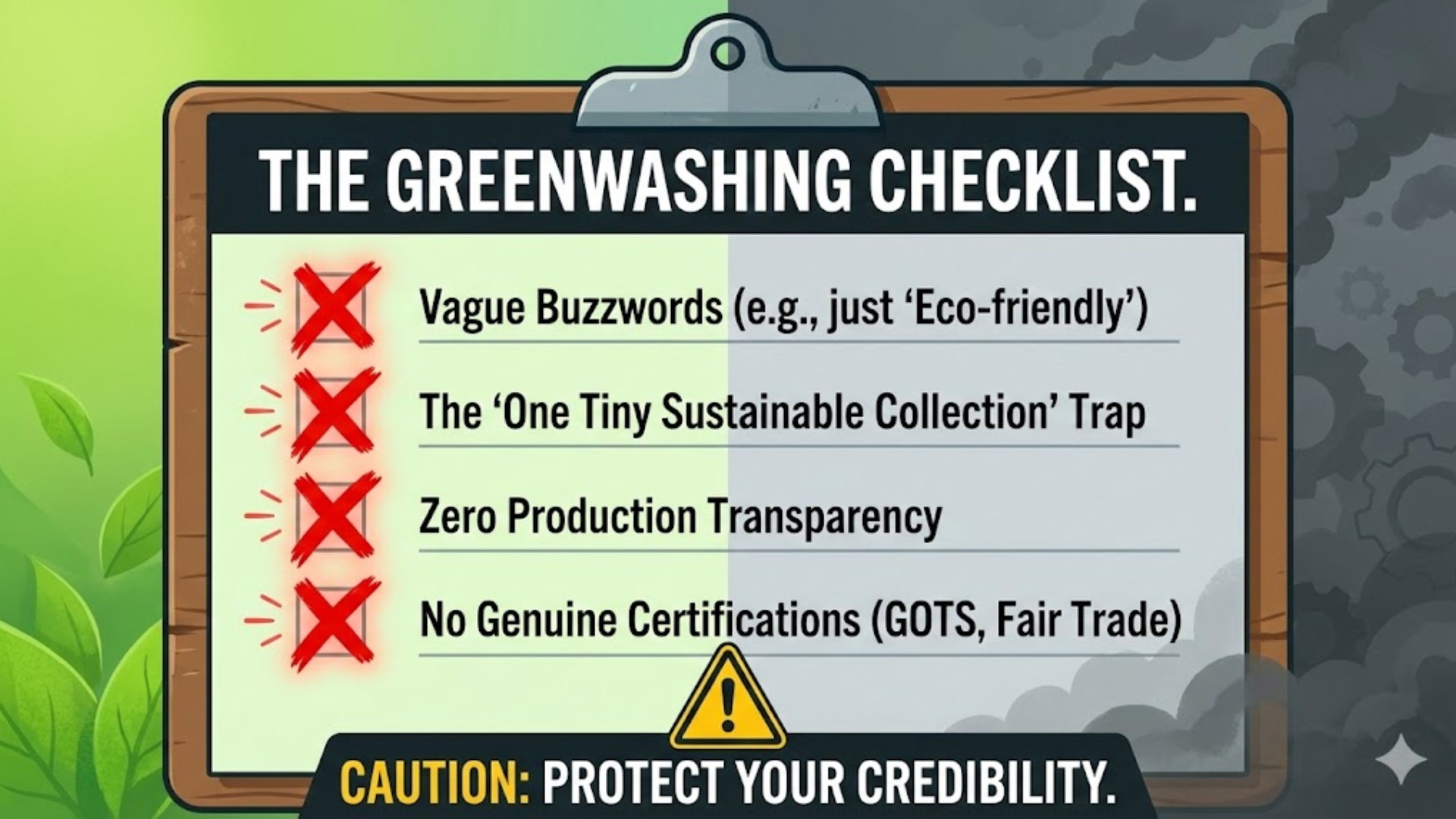
Navigating “Greenwashing”: A Guide for Models
Not every brand that claims to be “green” actually is. Greenwashing is when a company spends more time marketing itself as eco-friendly than actually minimizing its environmental impact. As a model, associating with a misleading brand can hurt your credibility.
The Greenwashing Checklist:
- Vague Buzzwords: Be skeptical of terms like “Natural” or “Eco-friendly” if they aren’t backed by details.
- The “One Collection” Trap: Does the brand have one tiny sustainable line while 95% of their stock is cheap polyester? That is a red flag.
- Lack of Transparency: If a brand cannot tell you where their factory is or show you behind-the-scenes footage of their production, proceed with caution.
- Check for Certifications: Look for genuine labels like GOTS (Global Organic Textile Standard), Fair Trade, or PETA-Approved Vegan.
Your Strategic Move
Positioning yourself as an “Eco-Model” allows you to enter a growing niche with less competition and higher engagement. Support “Vocal for Local” by championing homegrown Indian brands that lack big advertising budgets but have big hearts.
The future of fashion is not just about looking good; it is about doing good. By choosing to champion eco-conscious brands, you do more than wear clothes; you wear your values.
Ready to find your next ethical campaign? Browse Casting Calls on Dazzlerr today.
Similar Posts