
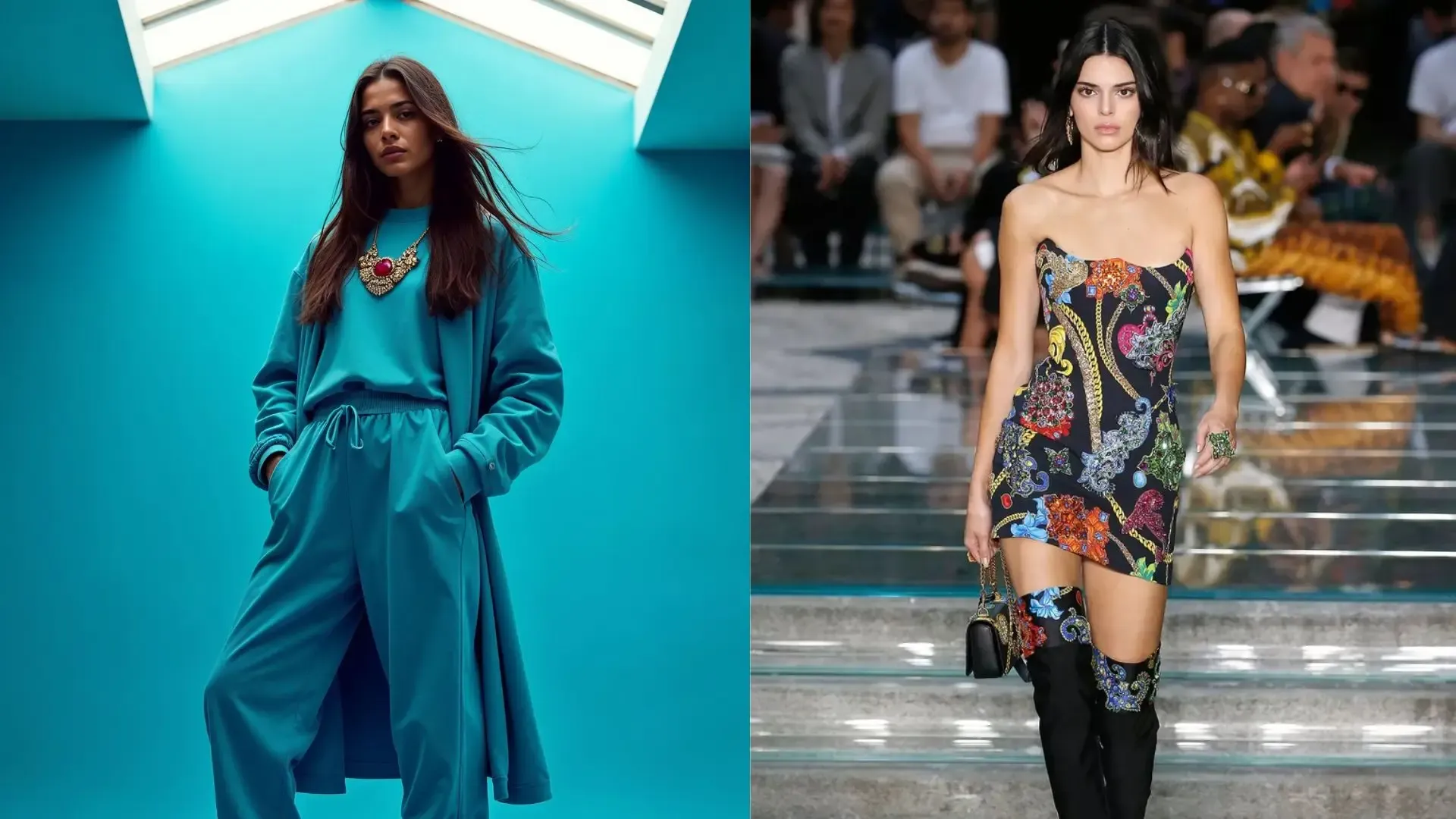
Is AI Slowly Replacing Real Models on Your Screen?
AI modeling is growing faster than ever. Today, brands can create flawless faces, perfect poses, and high-fashion campaigns without booking a studio or hiring a human model. With just a few clicks, they get complete control over looks, lighting, and expressions.
Have you heard about digital stars like Shudu or Lil Miquela? They have millions of followers and pose in the latest trends.
Shudu
View this post on Instagram
Lil Miquela
View this post on Instagram
Brands are choosing AI because it offers perfection and saves money. No travel costs, no scheduling issues, and no unpredictability.
But does this mean the end of natural, human models?
Not exactly. While AI is changing the fashion and advertising industry, it is also doing something unexpected. It is making real human presence more valuable than ever. In a world filled with digital perfection, authentic emotion and genuine connection may become the true premium.
Why Are Brands Choosing AI-Generated Models Over Humans?
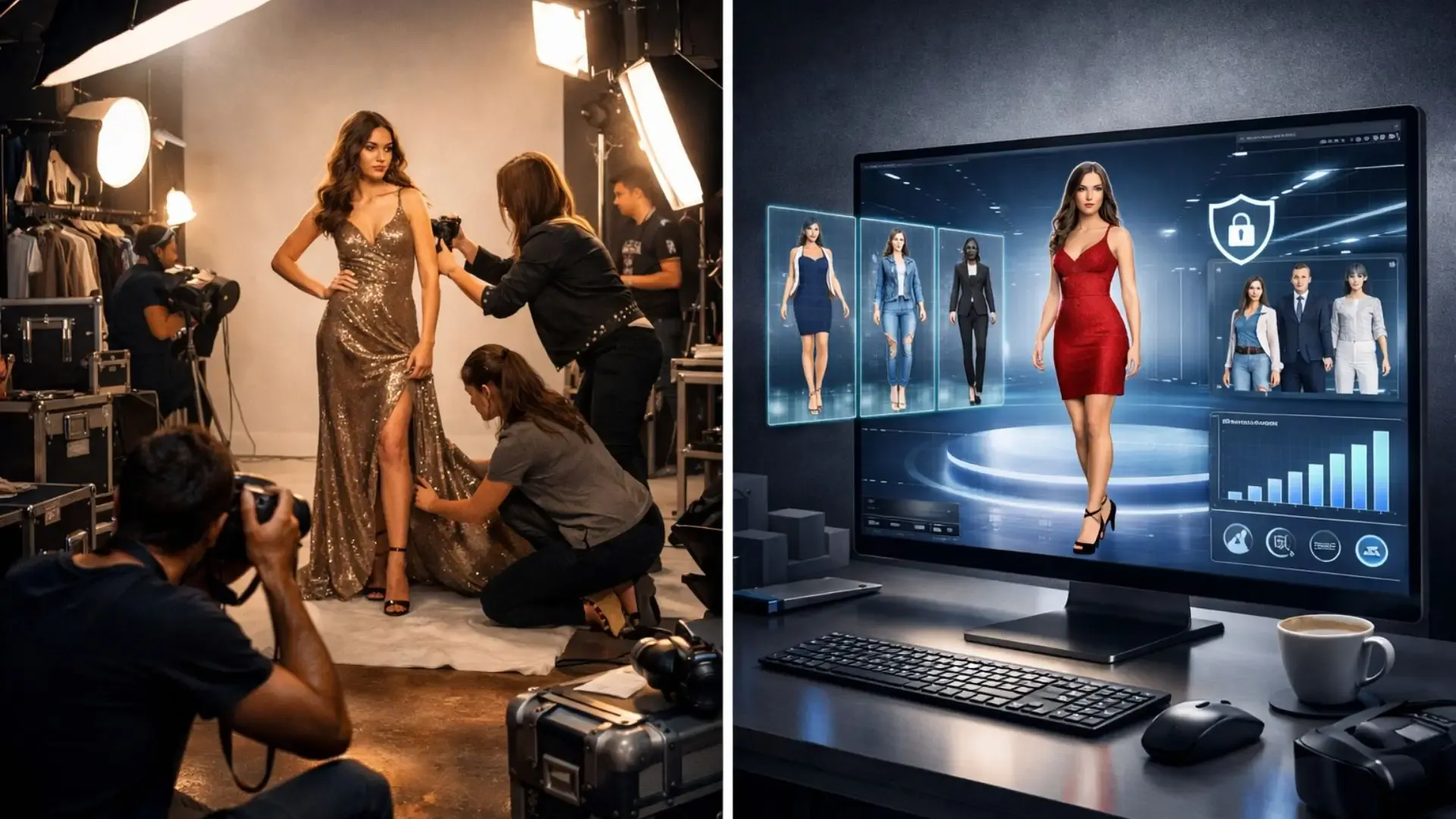
It is no secret that fashion is a business of efficiency. From high-street labels to luxury houses, many are integrating digital models into their marketing funnels for a few undeniable reasons:
Cost and Logistics
A traditional photoshoot involves flights, hotels, makeup artists, and lighting crews. With AI modeling, the shoot happens on a hard drive. There are no bad hair days or overtime fees.
Infinite Scalability
An AI model can wear 1,000 different outfits in a virtual environment in the time it takes a human to change shoes. This speed is unbeatable for massive e-commerce catalogs.
Brand Safety
Digital models do not have past scandals, they do not age, and they do not voice controversial opinions unless programmed to do so. They represent a safe, controlled environment for brands.
The “Uncanny Valley” – Where AI Models Fail, and Humans Win
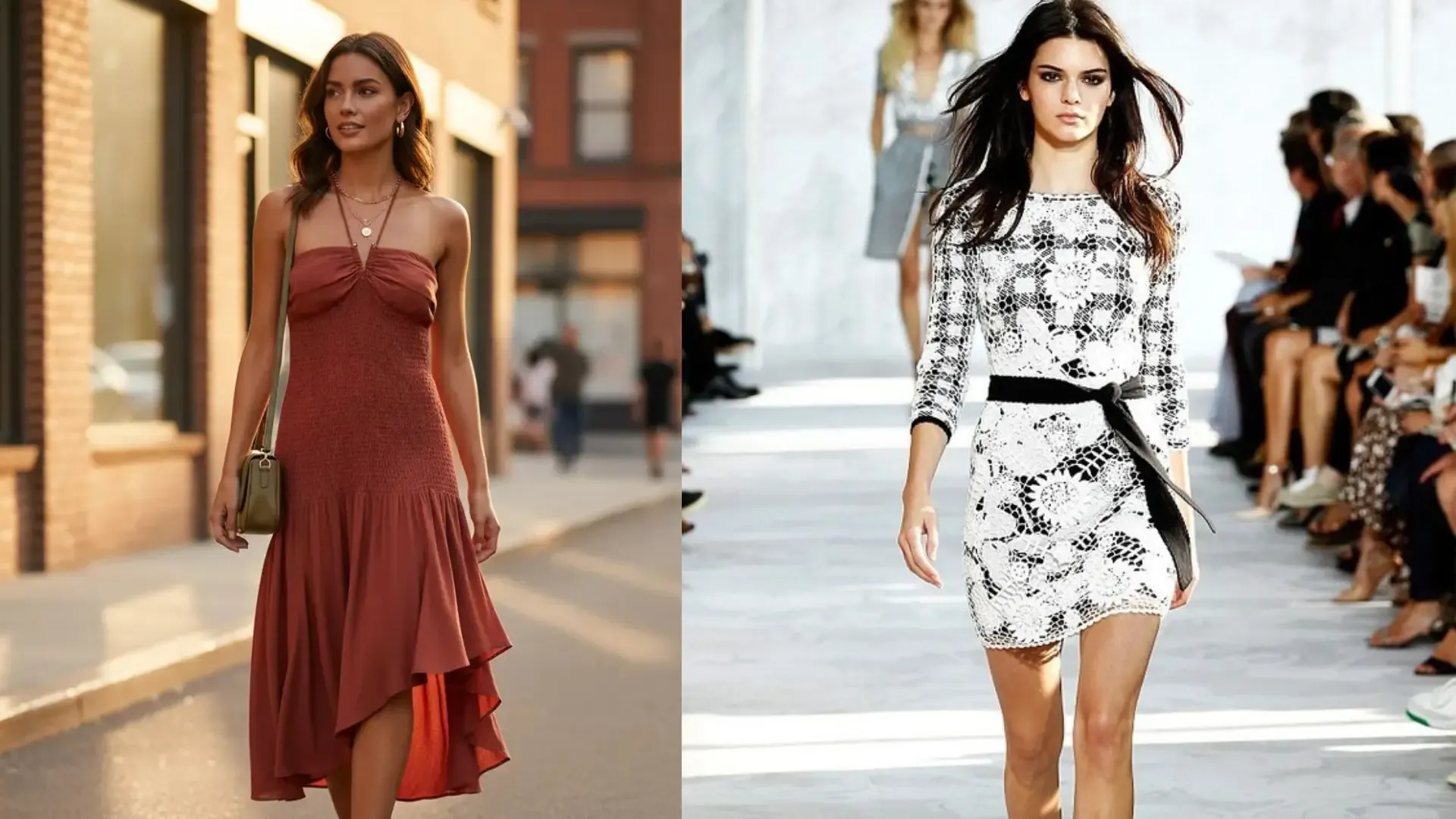
Despite the technical prowess of AI vs Real Models, there is a point where digital perfection starts to feel unnatural. This is known as the “Uncanny Valley.”
Lack of Real Emotion
AI can create a perfect smile, but it cannot feel the mood of a brand’s story. Humans bring real emotions, confidence after failure, pride in identity, and storytelling when campaigns need emotional depth. AI cannot replicate these emotions.
The Trust Gap
Modern consumers, especially Gen Z, value authenticity. When a digital model promotes skincare or fashion, audiences may admire the image, but they know it is not a lived experience. It risks losing the trust of customers who crave real-world marketing.
Cultural Nuance
Body language is complex. The way someone shifts their weight, makes eye contact, or reacts naturally in motion carries meaning. AI often struggles with these subtle human signals.
So while AI modeling wins in control and scale, humans win in connection and credibility.
How Can Human Models Outperform AI in a Digital Age?
If you are a model looking at the future of modeling in 2026, do not panic. Here is how you can stay ahead of the digital curve:
-
Focus on Personality and Storytelling
Instead of being a mannequin, become an influencer. Share your journey, behind-the-scenes struggles, and unique voice. Build a legacy AI cannot touch.
-
Master Movement and Video
A real model brings natural movement, confidence, and presence. The way you walk, react, and carry emotion in live shoots or runway shows creates an energy that feels authentic. That human spark builds trust and connection with audiences.
-
Develop Niche Expertise
Real models should become experts in specific movements, whether it is sports, traditional dance, or complicated posing. Human intuition in these areas is still the gold standard.
-
Collaborate with Technology
The smartest approach is not resistance; it is collaboration. The fashion world is evolving, and adaptable models stay ahead. Learning about digital shoots and creative technologies increases opportunities rather than limiting them.
The Future of Modeling: AI vs. Human or AI Plus Human?
The future of modeling in 2026 is hybrid. Use human models for brand faces and personality, and AI modeling for bulk catalogs. Real-world marketing thrives on this mix, where digital models handle scale and humans deliver heart. Brands get efficiency plus trust.
Rather than replacing humans, AI is reshaping roles.
The Irreplaceable Human Spirit
AI modeling can generate flawless beauty in seconds. But it cannot generate legacy, lived experience, or emotional depth.
Technology can design a face. It cannot build a personal journey.
For models entering the future of modeling in 2026, the message is clear. Instead of fearing the digital shift, adapt to it. Strengthen your personality, sharpen your skills, and embrace innovation.
Do not let the digital wave phase you. Enhance your profile. Update your Dazzlerr portfolio today with your most authentic, high-energy shots and show the industry why real is the new luxury.
FAQs
1. What is AI Modeling?
AI Modeling is the use of artificial intelligence to create digital models for fashion and advertising. These models are computer-generated and fully controlled by brands.
2. Are digital models replacing human models in 2026?
No. AI Modeling is growing, but human models are still important for emotional campaigns and brand storytelling. Most brands are using both.
3. Why are brands choosing AI-generated models?
Brands choose AI Modeling because it saves time and cost, offers full creative control, and reduces production risks.
4. What is the difference between AI modeling and real modeling?
AI modeling look perfect but lack real emotion and lived experience. Human modeling bring authenticity and natural connection.
5. How can human models stay relevant in the age of AI?
They should focus on personality, storytelling, video presence, and building a strong personal brand. Authenticity is their biggest strength.
6. Is AI Modeling the future of the fashion industry?
AI Modeling will be a big part of the future, but it is likely to work alongside human models rather than fully replace them.
Similar Posts