

If you’ve scanned the ingredient list on your skincare bottles lately, chances are you’ve spotted niacinamide. This multitasking ingredient has earned its reputation as a skincare powerhouse, and for good reason.
Whether you’re dealing with breakouts, sensitivity, or early signs of aging, niacinamide for skin offers solutions that few other ingredients can match.
What Is Niacinamide?

Credit: Freepik.com
Niacinamide (also called nicotinamide) is a form of Vitamin B3; an essential nutrient that our bodies need but cannot store. Unlike some vitamins that accumulate in your system, Vitamin B3 is water-soluble, which means regular replenishment is key. While you can get it from foods like poultry, green vegetables, and eggs, topical application delivers concentrated benefits directly to your skin.
As a Vitamin B3 skincare ingredient, nicotinamide works at the cellular level to improve skin health. It’s neither an acid that exfoliates nor a retinoid that accelerates cell turnover; instead, it’s a supportive ingredient that strengthens, soothes, and balances your skin.
The Benefits of Niacinamide for Different Skin Concerns

Credit: Freepik.com
Niacinamide for Acne and Oil Control
If you struggle with congestion and breakouts, nicotinamide for acne might be the solution you’ve been searching for. Unlike harsh spot treatments that can strip the skin, niacinamide works by regulating sebum control, essentially telling your oil glands to produce less. This reduction in oil naturally leads to fewer clogged pores and less congestion over time. Many formulations pair niacinamide with zinc to enhance its calming effects on active breakouts.
Niacinamide for Sensitive Skin and Redness
One of the most celebrated qualities of this ingredient is its ability to calm irritation. Niacinamide for sensitive skin delivers powerful anti-inflammatory benefits that reduce redness relief without causing further sensitivity. Whether you have naturally reactive skin or you’re dealing with temporary irritation from other products, niacinamide helps restore comfort. Those with rosacea often find particular relief, as it visibly tones down redness and strengthens the skin against future triggers.
Fighting Hyperpigmentation
Dark spots from sun damage or post-breakout marks don’t stand a chance against consistent niacinamide use. Niacinamide for hyperpigmentation works through a clever mechanism: while ingredients like vitamin C prevent pigment from forming, niacinamide blocks that pigment from reaching the skin’s surface. The result is a more even, brightened complexion that looks clearer over time.
Strengthening the Skin Barrier
Beyond treating specific concerns, niacinamide plays a crucial role in maintaining overall skin health. It supports skin barrier repair by boosting the production of ceramides, the lipids that hold skin cells together like mortar between bricks. A strong barrier means moisture stays in while irritants and pollution stay out. This is particularly beneficial for those prone to dehydration or living in harsh climates.
How to Use Niacinamide in Your Routine

Credit: Freepik.com
Wondering about how to use niacinamide effectively? The beauty of this ingredient lies in its flexibility. Most experts recommend using a niacinamide serum twice daily, morning and evening, after cleansing but before heavier moisturizers. Unlike some active ingredients that require careful introduction, niacinamide is generally well-tolerated even at higher concentrations.
For best results, look for products where niacinamide appears within the top five ingredients. Concentrations typically range from 4% to 10%, with 5% being the sweet spot for effectiveness without irritation. Those new to the ingredient or with very sensitive skin may want to start on the lower end and gradually work up.
Niacinamide vs Retinol: Do You Have to Choose?
The niacinamide vs retinol debate misses an important point: these ingredients work beautifully together. While retinol remains the gold standard for dramatic anti-aging results, it often causes dryness and irritation. Niacinamide steps in as the perfect partner, providing hydration and calming that irritation while you reap retinol’s benefits.
Think of niacinamide as the supportive friend who makes a strong personality more approachable. It doesn’t compete with retinol, it enhances your ability to use it comfortably.
When Will You See Results?
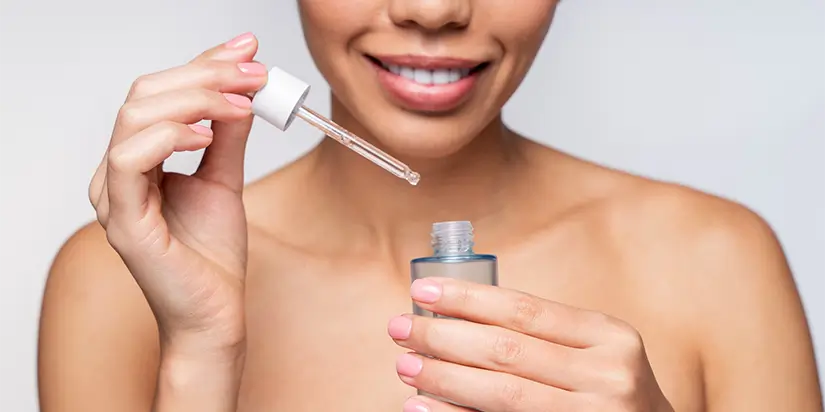
Credit: Freepik.com
Patience pays off with niacinamide. While it won’t transform your skin overnight, consistent use typically reveals visible improvements within two to four weeks.
Oil production begins to balance, redness fades, and your skin’s overall texture becomes smoother. By the two-month mark, those struggling with pigmentation often notice dark spots appearing lighter and less noticeable.
The Bottom Line
Whether you’re new to skincare or a seasoned enthusiast, niacinamide deserves a permanent spot in your routine. Its ability to address multiple concerns simultaneously, from acne to aging, sensitivity to dullness, makes it one of the most efficient ingredients you can choose. Gentle enough for daily use yet powerful enough to deliver real results, niacinamide for skin proves that sometimes the best ingredients really do multitask.
Follow Dazzlerr for more on skincare, makeup & fashion!
Similar Posts