Fashion photography is more than just clicking a button; it is the art of storytelling through style. But in a market as competitive as India’s, talent alone isn’t enough; you need a roadmap.
Whether you dream of shooting covers for Vogue India or handling e-commerce catalogues for top brands, the path to becoming a professional requires a mix of technical mastery, business acumen, and creative grit. This guide breaks down the reality of the Indian market, from equipment costs to salary expectations and legal compliance.
Table of Contents
- Understanding the Niches: Where do you fit?
- The Gear: Investment & Smart Budgeting
- Education & Essential Skills
- The Money: Salary & Freelance Rates in India
- Building a Killer Portfolio
- Getting Hired & Networking
- The Boring Stuff: Legal & Tax Compliance
1. Understanding the Niches: Where do you fit?
Fashion photography isn’t a monolith. In India, the industry is divided into distinct sectors, each with different workflow requirements and pay scales. Identifying your niche early can help you tailor your portfolio.
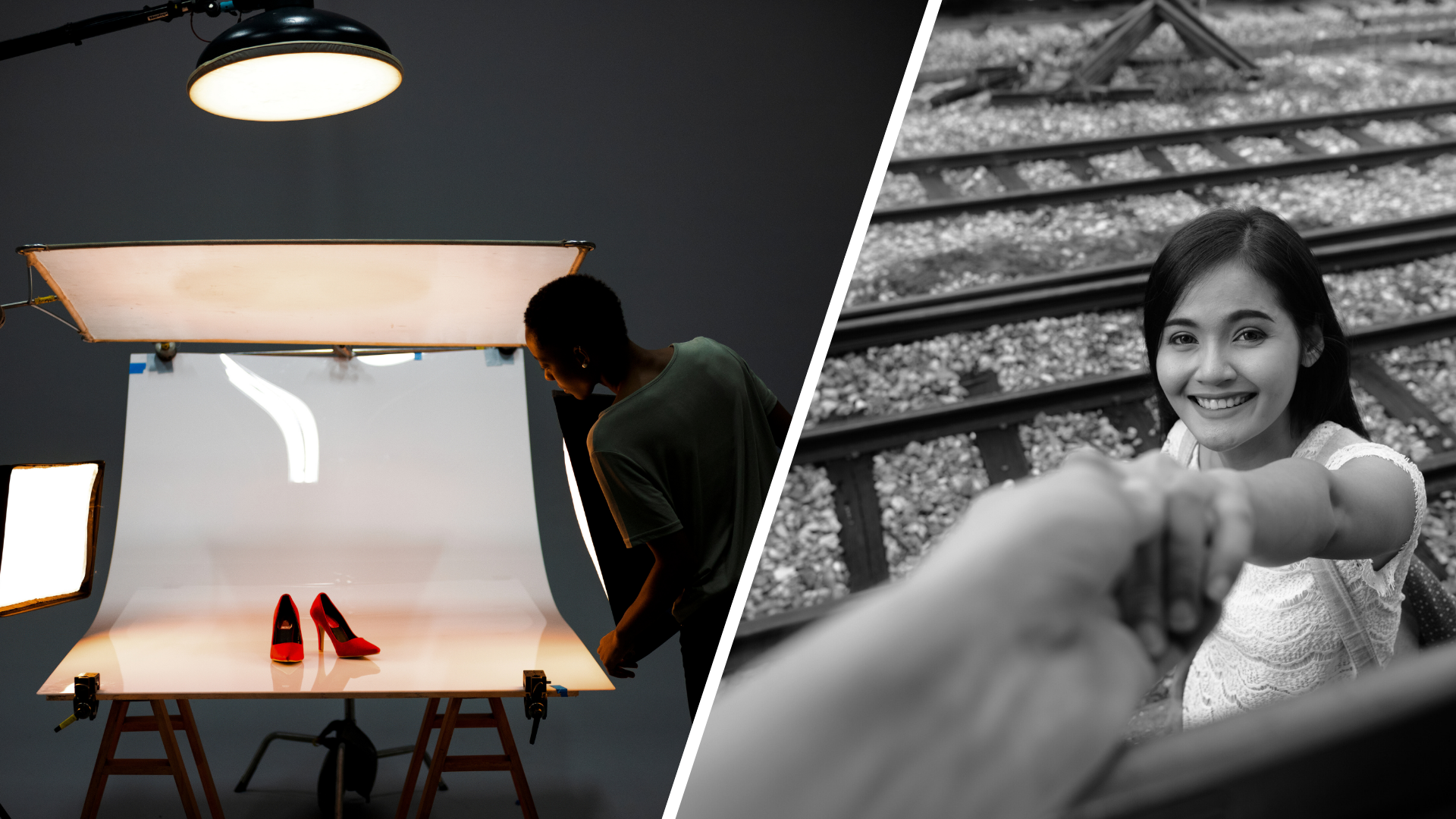
Catalogue and E-Commerce
The bread and butter of the industry. Focuses on clear, neutral product display. High volume work.
Pay: ₹15k – ₹25k / month
Editorial
Storytelling shoots for magazines like Harper’s Bazaar. Creative freedom is high, but so is the competition.
Pay: ₹30k – ₹80k / month
High Fashion & Runway
Capturing luxury designer collections and fast-paced runway events. Requires speed and precision.
Pay: ₹50k – ₹1 Lakh / event
Lookbook
A blend of catalogue and editorial. Lifestyle-focused shoots for brands to showcase seasonal collections.
Pay: ₹30k – ₹70k / project
2. The Gear: Investment & Smart Budgeting
One of the biggest hurdles for new photographers is the “gear acquisition syndrome.” While you need professional tools, you don’t need to buy everything at once.
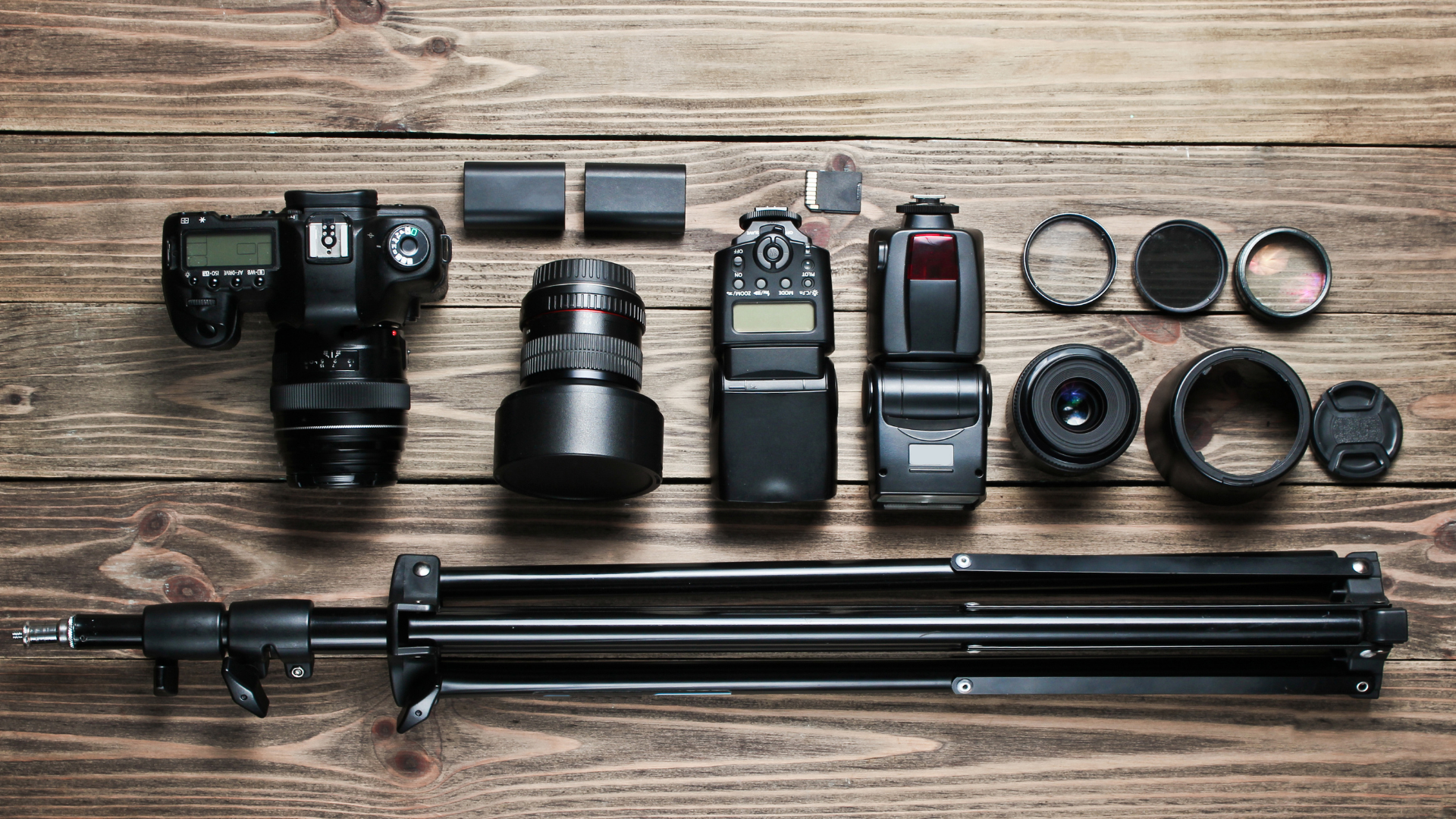
The Essentials Breakdown
- Camera Bodies: Full-frame is the industry standard. Popular choices include the Canon EOS R6 Mark II, Nikon Z8, or Sony A7 IV. Expect to invest ₹1 Lakh – ₹4 Lakh for a new body.
- Lenses:
- 85mm Prime: The gold standard for portraits (₹35k+).
- 24-70mm Zoom: The versatile workhorse (₹50k+).
- 50mm Prime: A great budget starter (₹15k+).
- Lighting: Often more important than the camera. Studio flash systems and modifiers (softboxes) can range from ₹30,000 to ₹2 Lakhs.
Pro Tip for Beginners:
Don’t go broke buying gear. Rent before you buy. Services like Tapprs allow you to rent professional bodies for ₹1,000 – ₹2,800 per day. This allows you to accept high-paying gigs without the upfront capital.
3. Education & Essential Skills
Do you need a degree? Not strictly, but formal education can fast-track your technical understanding and networking.
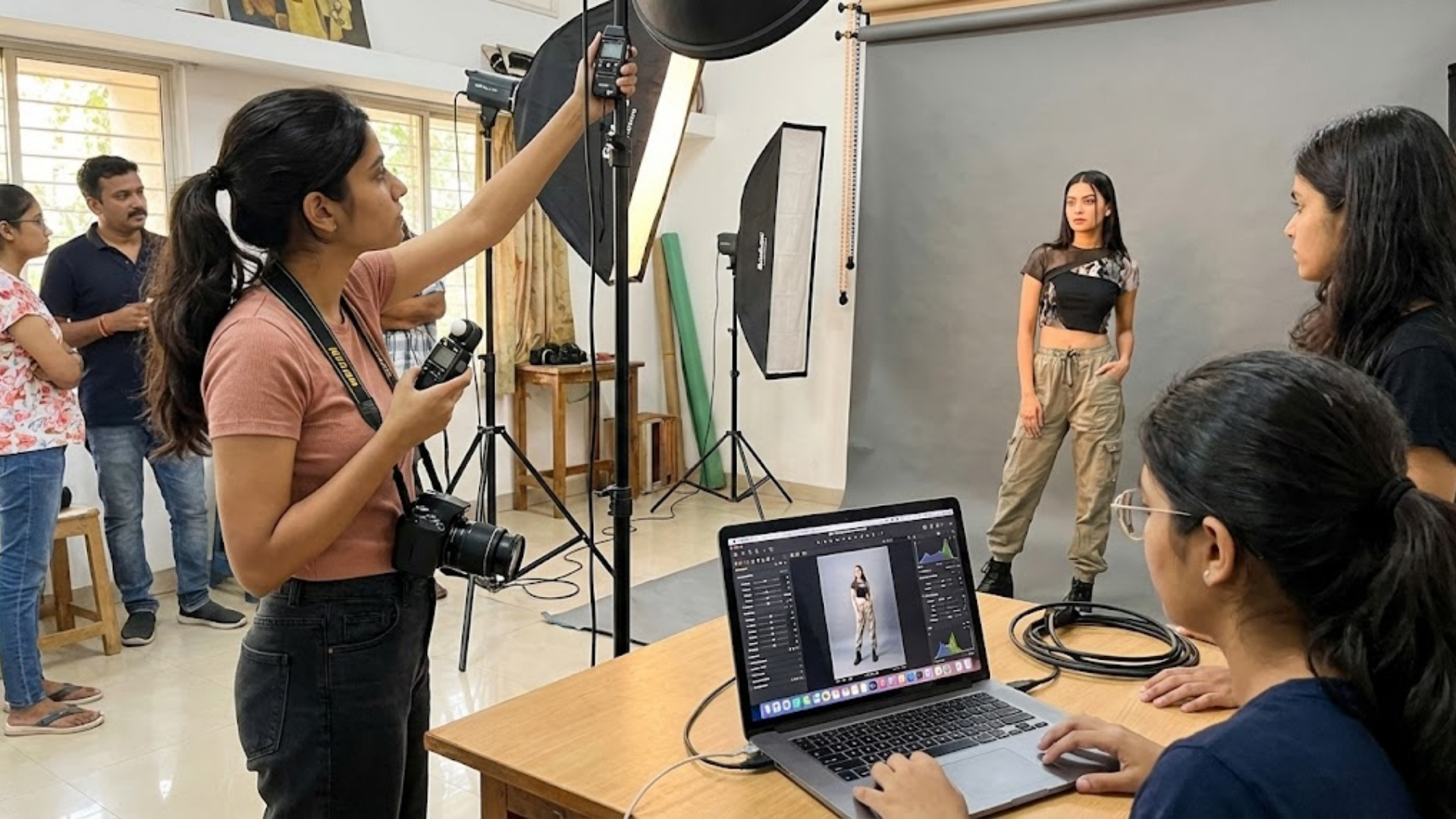
Educational Pathways in India
Short-Term Certificates (2-6 weeks): Great for upskilling. Institutes like JD Institute of Fashion Technology and TGC School of Photography offer practical courses focused on studio lighting and composition.
Degrees (3-4 years): Comprehensive programs like B.Des in Fashion Communication at Pearl Academy or NID cover fashion journalism and visual communication alongside photography.
The “Invisible” Skills
Technical mastery (ISO, Aperture) is the baseline. To succeed, you also need:
- Soft Skills: The ability to direct a model. If your subject feels awkward, the photo will look awkward.
- Post-Production: Mastery of Adobe Photoshop (retouching) and Lightroom (color grading).
- Networking: Building relationships with Makeup Artists (MUAs), Stylists, and Casting Directors.
4. The Money: Salary & Freelance Rates in India
Let’s talk numbers. Income varies wildly based on your location (Tier 1 vs Tier 2 cities) and your specific niche.
| Experience Level | Monthly Income Range | Typical Roles |
|---|---|---|
| Entry-Level (0-3 Years) | ₹20,000 – ₹40,000 | Assistant, E-com Junior |
| Mid-Level (4-7 Years) | ₹50,000 – ₹1 Lakh | Established Freelancer, Studio Lead |
| Senior-Level (8+ Years) | ₹1.5 Lakh – ₹3 Lakh+ | Brand Campaign Lead, Celebrity Shoots |
Note: Freelancers in Mumbai and Delhi typically command 30-40% higher rates than in cities like Pune or Hyderabad.
5. Building a Killer Portfolio
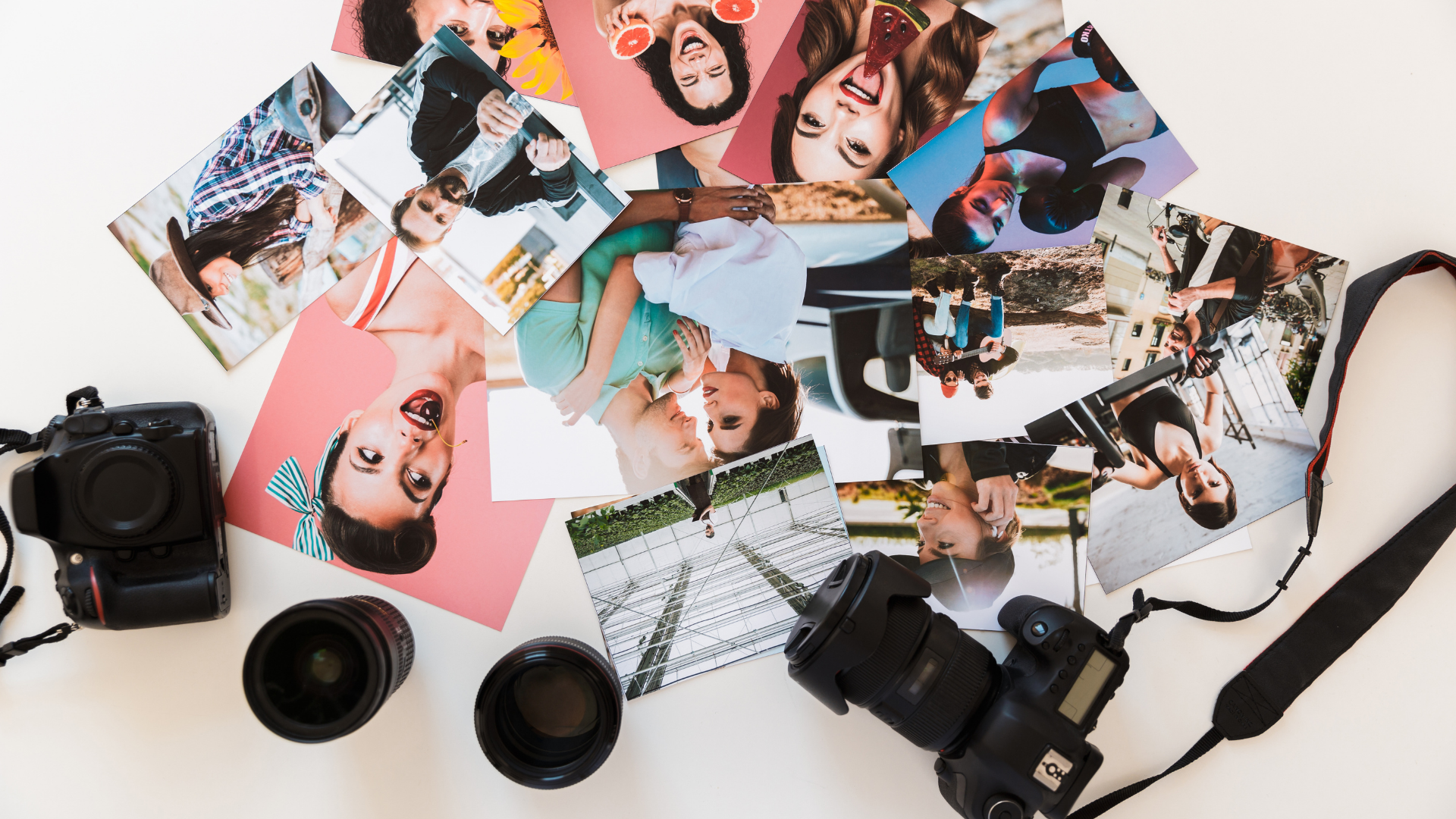
Your portfolio is your ID card. Without it, you don’t exist. Recruiters don’t care about your degree; they care about your eye.
How to Start with Zero Budget: TFP
Trade for Portfolio (TFP) is the industry standard for beginners. You find a model who needs photos, and you need a subject. You shoot for free, and you both get the photos.
What to include: 20-30 diverse images. Show range: outdoor natural light, indoor studio setups, full-body shots, and close-up beauty portraits.
Ready to build your portfolio? Dazzlerr connects you directly with aspiring models looking for TFP shoots.
6. Getting Hired & Networking
In India, “who you know” matters. Here is your networking checklist:
- Dazzlerr Profile: Create a verified profile to be discoverable by production houses and agencies.
- Assistant Jobs: DM established photographers. Offer to carry lights or manage cables. The learning is invaluable.
- Fashion Weeks: Try to get access to events like Lakmé Fashion Week. Shoot street style outside the venue if you can’t get in.
- Instagram Strategy: Tag brands, models, and stylists. Use localized hashtags like #MumbaiFashionPhotographer.
7. The Boring Stuff: Legal & Tax Compliance
To be a “Professional,” you must treat your art like a business.
GST Registration
Mandatory if your annual turnover exceeds ₹20 Lakhs. However, registering voluntarily allows you to claim Input Tax Credit (ITC) on that expensive camera gear (18% GST savings).
Contracts
Never shoot without an email trail or contract. Define deliverables, payment timelines, and usage rights. If a brand uses your photo for a billboard when they only paid for Instagram, a contract protects you.
TDS (Tax Deducted at Source)
Clients will deduct 10% TDS on payments over ₹30,000. Ensure you file your ITR-4 (Presumptive Taxation) to claim refunds or adjust against liability.
Ready to Start Your Journey?
The industry is waiting for your unique perspective. Don’t wait for the “perfect” gear or the “perfect” time.
Similar Posts