
In 2026, India faces a growing deepfake crisis. AI tools now generate realistic fake images and videos, putting models, influencers, and everyday users at risk of scams and blackmail.
From face-swapped MMS content to portfolio theft, online visuals are increasingly exploited. Understanding Deepfake Removal India 2026, the 3-hour takedown law India, and safety measures is essential to protect your reputation and digital identity.
What is Happening in India Related to Deepfake AI Images?
As of early 2026, India is witnessing a sharp rise in “SGI” (Synthetically Generated Information). Scammers are no longer relying on Photoshop alone. Advanced AI can now swap faces into intimate videos or clone voices to demand money from unsuspecting victims.
To combat this, the Indian government introduced new IT rules on February 20, 2026. Social media platforms are now legally required to remove deepfakes within 3 hours of a court or government order, marking a significant step in Deepfake Punishment. This 3-hour takedown law India is designed to stop the rapid spread of AI-generated scams before they cause irreversible damage.
Who Gets Targeted by AI Blackmailers?
- Micro-Influencers: Accounts with 5,000–50,000 followers are “low-hanging fruit” for scammers.
- Newcomers & Models: High-quality public portfolio images are prime data for AI manipulation.
- Students: Deepfake bullying in schools and colleges has become a growing cybercrime concern.
A report from the National Cybercrime Helpline notes that nearly 42% of deepfake complaints involved non-celebrities, showing how widespread the threat has become.
Why are Influencers and Models the #1 target for AI Blackmail?
- Celebrities: Face swaps used for political misinformation or pornographic content.
- Models: Portfolio theft where faces and bodies appear in paid advertisements without consent.
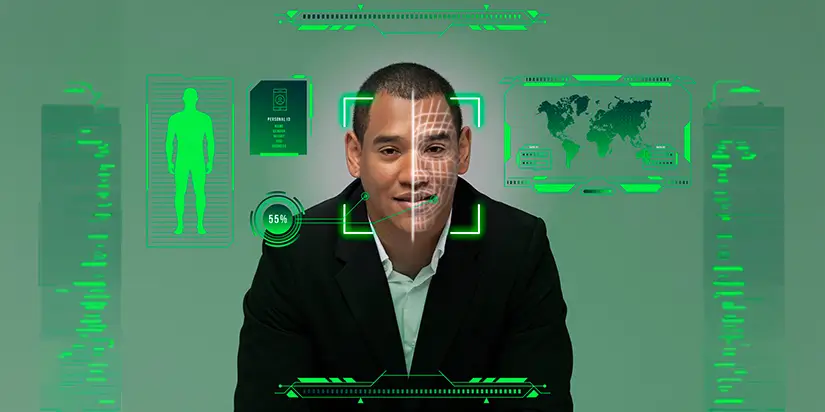
- Common People: Sextortion scams where ordinary profile pictures are turned into fake intimate content.
Privacy on Photos: Why You Shouldn’t Upload Everything
Even professional portfolios on platforms like Dazzlerr can be at risk if images are widely shared on social media. AI bots continuously scrape sites like Instagram and Facebook for high-quality images.
How to reduce risk:
- Use AI “Cloaking” tools such as Glaze or Nightshade. These add invisible pixels to images, making them unusable for AI training.
- Limit public sharing of high-resolution photos.
How to Be Safe: The Dazzlerr Security Checklist

- Watermark Everything: Place watermarks across the center of the face rather than corners.
- Lower the Resolution: Upload images at 72dpi to prevent AI from generating high-quality fakes.
- Metadata Protection: Embed copyright info in the image’s digital “DNA.”
Following this checklist can significantly reduce the chances of portfolio misuse and SGI exploitation.
What to Do if You Get Caught in an AI Blackmail Scam?
- Do Not Pay: Scammers escalate once a payment is made.
- Take Screenshots: Save URLs, timestamps, and chat history.
- Report Deepfake to 1930: Contact the National Cybercrime Helpline immediately.
- 2-Hour Window: For non-consensual intimate imagery (NCII), the new 2026 rules mandate content removal within two hours of reporting.
How to Remove Deepfake Images If You Are Targeted?
- StopNCII.org: Creates a digital “fingerprint” to block unauthorized uploads on platforms like Instagram, Facebook, and TikTok.
- National Cybercrime Reporting Portal: Enables formal complaints for takedown actions.
- Google’s Remove Personal Info Tool: Requests de-indexing of personal images from search results.
For professional portfolios, SGI Removal India services provide specialized monitoring and removal solutions.
Deepfake Removal India 2026 Law
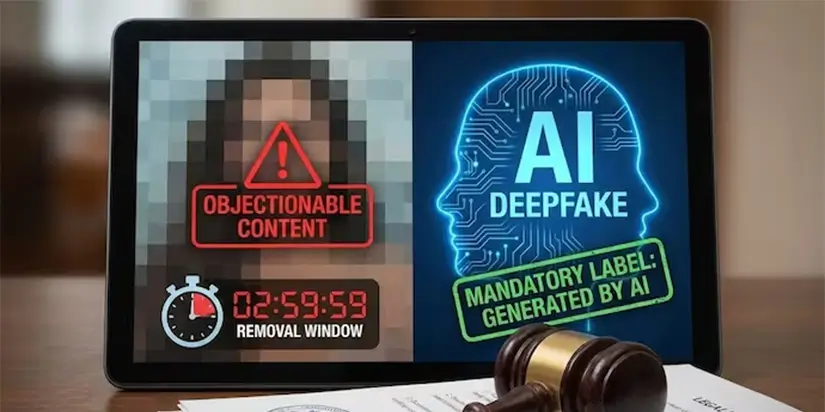
The new regulations hold social media platforms accountable for delays or failures in removing deepfake content. Penalties for non-compliance form the backbone of Deepfake Punishment, giving victims a legal path to protect their identity and work.
The “Dazzlerr Promise”
At Dazzlerr, verified talent receives additional security. Portfolios are actively monitored for suspicious scraping activity, ensuring professional images remain safe while integrating essential AI MMS blackmail safety tips into platform practices. For models, actors, and influencers, Dazzlerr combines legal knowledge, digital tools, and platform-based protection to minimize AI risks while maximizing career visibility.
By staying informed, implementing safety measures, and using verified platforms like Dazzlerr, talents can safeguard their digital identity against AI blackmail and the growing deepfake crisis.
FAQ’s
Q1: What is the 3-hour takedown law in India?
It is a 2026 mandate requiring social media platforms to remove deepfakes or misleading AI content within 3 hours of a government or court order.
Q2: How do I report a deepfake scam immediately?
Call the National Cybercrime Helpline at 1930 or file a report at www.cybercrime.gov.in.
Q3: Can I be arrested for sharing a deepfake for fun?
Yes. Under the BNS (2023) and IT Rules 2026, sharing AI-generated misinformation or non-consensual images is a punishable criminal offense.
Q4: What is “AI Cloaking” for photos?
Tools like Glaze or Nightshade add invisible digital layers to your photos that “confuse” AI scrapers, preventing them from being used for face-swaps.
Q5: Should I pay a blackmailer to delete my AI-fake video?
No. Paying encourages further extortion. Block the user, save screenshots as evidence, and report them to the authorities immediately.
Q6: What is the “2-hour window” for victims?
For non-consensual intimate AI images (NCII), new laws require platforms to acknowledge and begin the removal process within 2 hours of a victim’s report.
Q7: How does a watermark protect my portfolio?
Placing a watermark across the face (not the corner) breaks the facial data, making it much harder for AI tools to create a realistic face-swap.
Similar Posts