
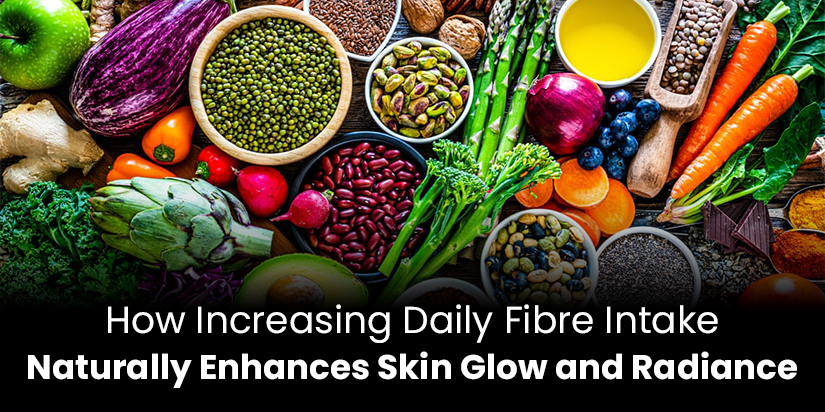
Healthy skin is often seen as a result of skincare products. Creams, serums, and treatments get most of the attention. But real skin health begins inside the body. What you eat every day, especially your daily fibre intake, plays a major role in how your skin looks and feels.
One of the simplest yet most powerful dietary habits is to increase daily fibre intake. It supports digestion, balances the body, and reflects directly on skin clarity and glow.
When the body works well internally, the skin often shows it clearly on the outside.
What is the role of fibre in skin health?
Fibre is a part of plant-based foods that the body does not fully digest. It helps move waste through the digestive system. This keeps the body clean from inside.
When digestion is smooth, toxins do not build up in the system. This is where skin benefits begin to appear.
A regular habit to increase daily fibre intake can help reduce skin dullness. It may also support clearer and fresher-looking skin over time.
Poor digestion often leads to skin issues. These may include breakouts, uneven tone, or tired-looking skin. That is why gut health and skin health are closely connected.
Best Foods to Support Fibre Intake and Skin Glow
Food choices play a strong role in skin health. Natural foods help improve digestion and support overall balance. This becomes more important when you increase daily fibre intake for visible skin benefits.
Fresh Fruits for Daily Fibre Boost
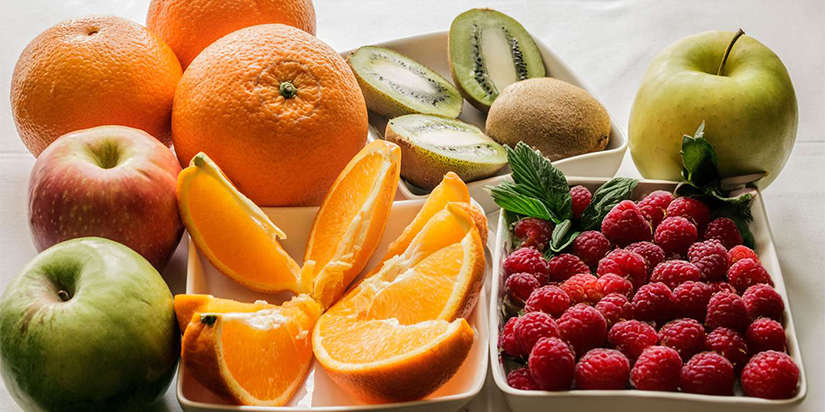
Fruits are light, easy to eat, and naturally rich in fibre. They support digestion and help maintain a fresh skin appearance. Regular intake can improve overall gut function.
Fibre-Rich Vegetables for Skin Health
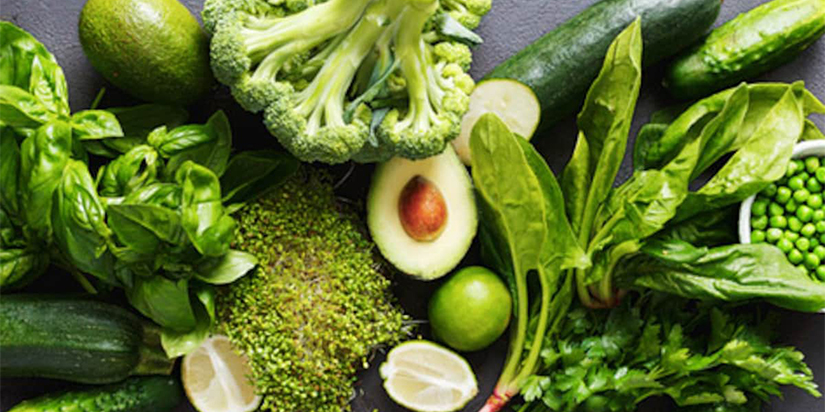
Vegetables provide essential fibre and nutrients for the body. They help reduce digestive imbalance and support clearer skin. Including them daily improves internal cleansing.
Whole Grains for Steady Digestion
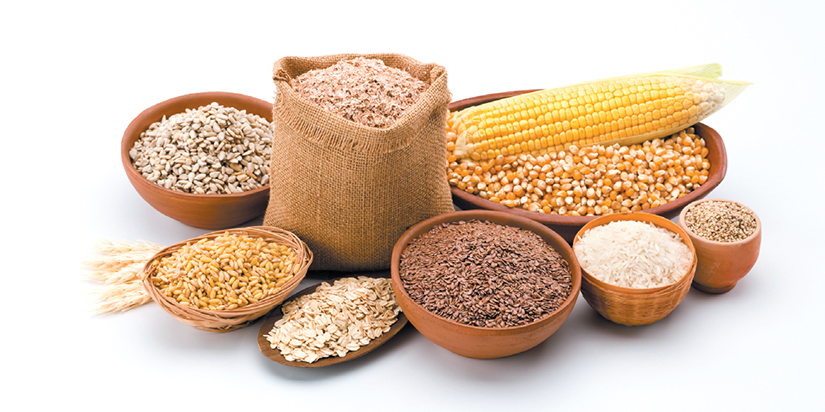
Whole grains support long-lasting energy and smooth digestion. They prevent sudden spikes in hunger and help maintain gut balance. This indirectly supports healthier-looking skin.
Seeds and Nuts for Extra Nutrition
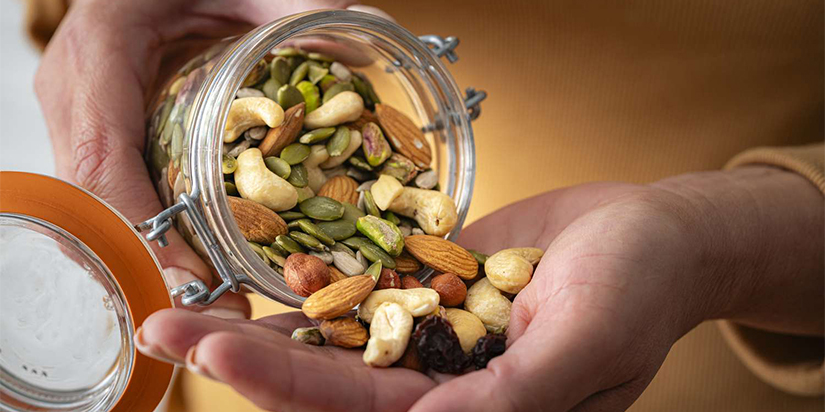
Seeds and nuts are small but nutrient-dense additions. They support digestion and provide healthy fats for skin nourishment. Even small portions can make a difference.
| Food Group | Examples | Key Benefit for Skin & Digestion |
|---|---|---|
| Fruits | Apple, Papaya, Berries | Improve digestion and support skin clarity |
| Vegetables | Spinach, Carrot, Broccoli | Reduce dullness and support gut health |
| Whole Grains | Oats, Brown Rice | Provide steady energy and digestive balance |
| Seeds & Nuts | Chia Seeds, Flax Seeds, Almonds | Boost fibre and support skin nourishment |
Building a Balanced Fibre Diet
A balanced mix of all food groups works best for long-term results. This combination supports digestion, energy, and skin health together. When you increase daily fibre intake consistently, improvements in skin texture and glow become more visible over time.
Final Thoughts
Healthy skin is not only about external care. It is also about internal balance.
Fibre plays a simple but powerful role in this process. It supports digestion, gut health, and overall body balance.
When you increase daily fibre intake regularly, you support your skin from the inside out. The result is a more natural and long-lasting glow.
Small daily choices create lasting changes. And consistency always matters more than intensity.
FAQs
1. How does fibre improve skin health?
Fibre supports digestion and helps the body remove waste more efficiently. This reduces internal buildup that can sometimes affect skin clarity and glow.
2. How quickly can I see skin benefits after increasing fibre intake?
Results vary from person to person. With consistent habits, improvements in digestion may appear first, followed by gradual changes in skin texture and radiance over time.
3. Can I increase fibre intake suddenly?
It is better to increase fiber gradually. A sudden rise may cause bloating or discomfort, so slow changes help the body adjust more comfortably.
4. Do I need supplements to increase fibre intake?
Whole foods are usually enough. Fruits, vegetables, grains, seeds, and nuts naturally provide fibre and are better for long-term health.
Similar Posts