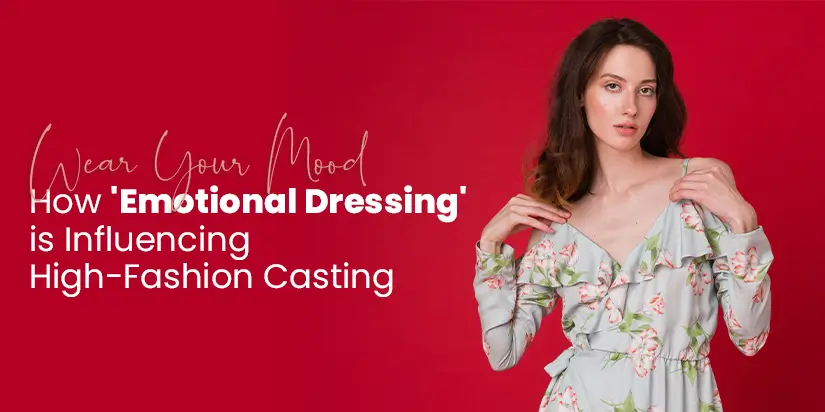
Fashion has evolved beyond mere aesthetics; it’s now a language of emotions. Today, models and designers are embracing emotional dressing, the art of using clothing to convey mood, personality, and narrative. In the high-fashion world, this trend is shaping how talent is selected, with casting directors prioritizing authenticity and emotional resonance over traditional beauty standards.
Tools like a digital portfolio allow models to showcase their emotional versatility, while real skin and authenticity help create a lasting impression on brands and agencies.
What Is Emotional Dressing?
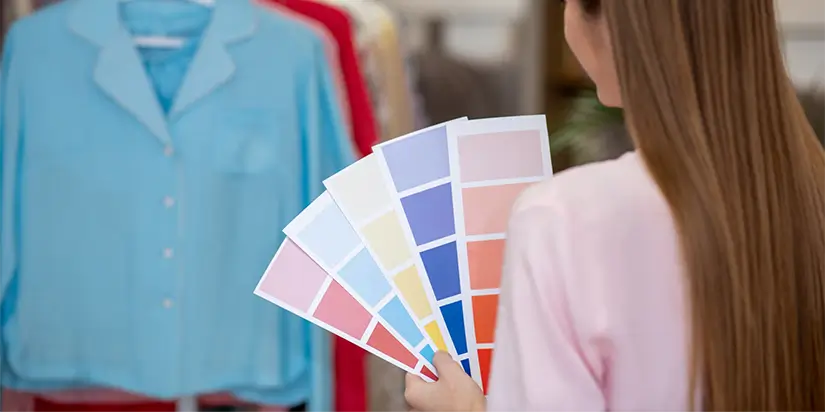 Image credit: www.freepik.com
Emotional dressing is about using clothing as a reflection of inner feelings. It’s not just style, it’s storytelling through colors, fabrics, and textures. Here’s how it’s changing high-fashion casting:
- Mood-Driven Colors: Red for confidence, blue for calmness, yellow for energy, colors now convey emotion as much as style.
- Textures and Fabrics: Soft materials express warmth and approachability, while structured pieces communicate power and confidence.
- Silhouettes and Movement: Flowing garments indicate freedom or creativity; sharp tailoring shows precision and control.
- Digital Portfolio Showcases: Displaying mood-focused outfits in a digital portfolio helps casting directors assess emotional range instantly.
- Real Skin and Authenticity: Models who embrace their natural features and skin tone project sincerity and connect better with audiences.
The Psychology Behind Fashion Choices
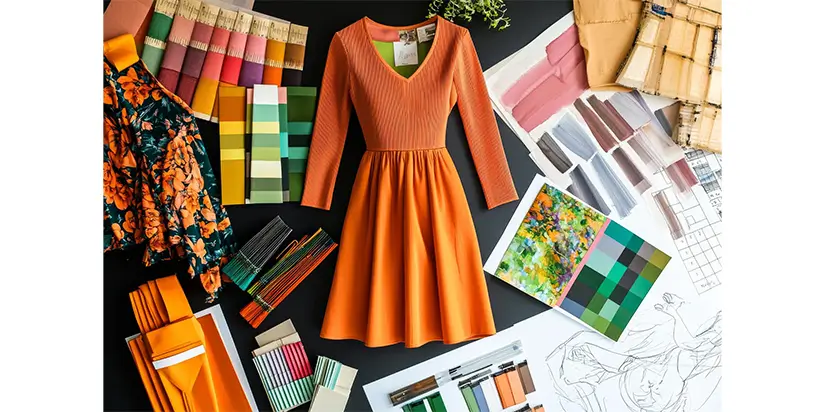 Image credit: www.freepik.com
Our clothing choices are deeply intertwined with emotions. Research in fashion psychology shows that what we wear influences not only how others perceive us but also how we feel internally.
Emotional dressing leverages powerful micro-expressions alongside wardrobe selection to communicate mood and narrative. Authenticity plays a key role, models with real skin and authenticity resonate more strongly with viewers and casting professionals.
Social media platforms amplify this effect, allowing models to practice social media branding while showcasing their mood-driven styles to a broader audience. In essence, the psychology behind emotional dressing is a blend of self-expression, audience perception, and professional strategy.
Emotional Dressing Meets High-Fashion Casting
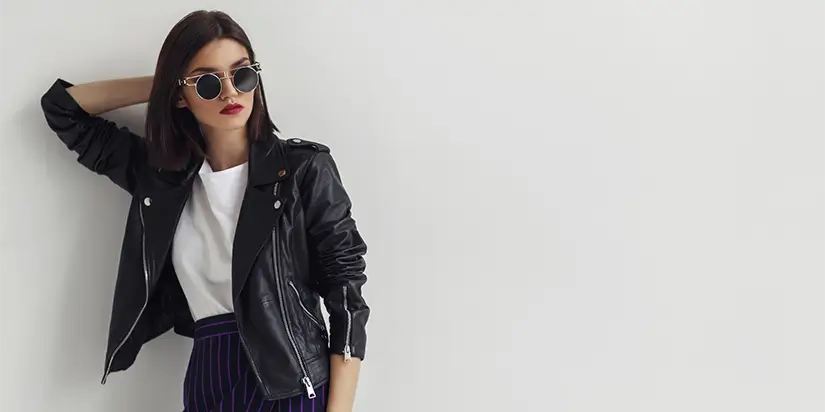 Image credit: www.freepik.com
Before listing, it’s important to understand that casting directors are looking for more than just physical attributes, they want models who can tell a story through emotion.
- Casting Directors’ Priorities: Models must project mood convincingly to align with the brand’s narrative.
- Storytelling Through Wardrobe: Outfits combined with posture and expression allow models to embody the campaign’s message.
- Red Flags in Casting: Watch for underpaid projects, unverified casting calls, or unrealistic expectations; knowing casting industry red flags protects both safety and career integrity.
- Digital Portfolio Advantage: Talent showcasing emotional versatility through a digital portfolio stands out in competitive casting environments.
- Social Media Branding: Sharing mood-driven content online enhances visibility and credibility with casting professionals.
How Models Are Adapting
 Image credit: www.freepik.com
Models today must develop skills beyond physical appearance. Emotional dressing requires deliberate preparation and understanding.
- Skill Building: Training in body language, expressions, and mood alignment helps models adapt quickly for different campaigns.
- Micro-Expression Mastery: Using powerful expressions, models subtly communicate emotions, increasing casting impact.
- Career Startup Strategies: For newcomers, building a strong digital portfolio, embracing real skin and authenticity, and posting consistently on social media jumpstarts professional recognition.
- Versatility in Wardrobe: Experimenting with textures, silhouettes, and colors helps models respond to diverse casting needs.
- Professional Documentation: Mood-driven shoots recorded in a digital portfolio showcase adaptability and storytelling capability for brands and agencies.
Broader Implications for the Fashion Industry

Image credit: www.freepik.com
Emotional dressing isn’t just influencing casting, it’s reshaping marketing, campaigns, and consumer engagement.
- Advertising Impact: Campaigns leveraging mood-driven styling evoke stronger emotional connections with audiences.
- Talent Selection: Models with authentic expression and real skin and authenticity are increasingly preferred.
- Training Institutes: Acting and modeling schools now emphasize emotional versatility, micro-expression skills, and skill building.
- Social Media Influence: Platforms allow models to refine social media branding while presenting emotionally engaging content.
- Long-Term Industry Shift: Emotional dressing encourages authenticity over trend-driven looks, influencing how designers, casting directors, and consumers interact.
Final Thoughts
Emotional dressing is transforming high-fashion casting by prioritizing narrative, authenticity, and emotional resonance. Models who leverage digital portfolios to showcase mood-driven outfits and embrace real skin and authenticity are better equipped to stand out in a competitive landscape.
Whether starting out or advancing a seasoned career, focusing on emotional storytelling through clothing and posture, combined with social media branding, allows talent to connect deeply with casting directors, brands, and audiences alike.
Let your moods and style tell your story. With Dazzlerr, every post, portfolio, and profile is a step closer to landing the perfect role. Sign up and start today!
Similar Posts