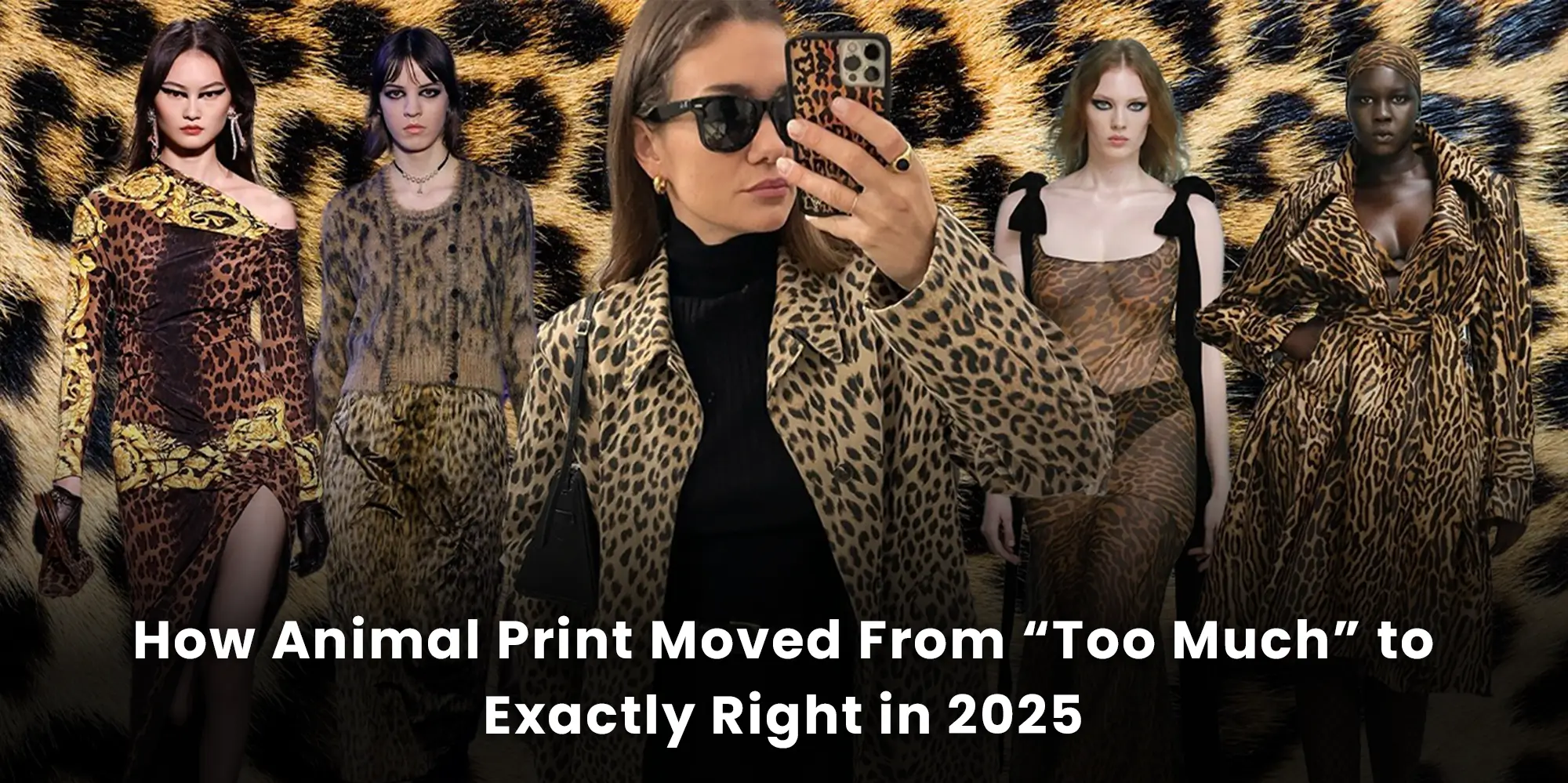
Animal print has always existed on the fringes of fashion’s emotional spectrum. Loved intensely, rejected just as firmly, it has never been neutral. There was a time when wearing leopard or zebra felt like making a declaration of confidence, rebellion, or excess. And then there was the long stretch when it felt easier to avoid it altogether.
Somewhere between trend fatigue and cultural shift, animal print was quietly written off as loud, dated, or unnecessarily dramatic. Yet in 2025, it has returned, not with noise, but with certainty.
This time around, animal print doesn’t arrive as a spectacle. It appears casually, almost instinctively, woven into everyday wardrobes and high-fashion collections alike. What once demanded attention now simply belongs.
A Pattern With a Complicated History
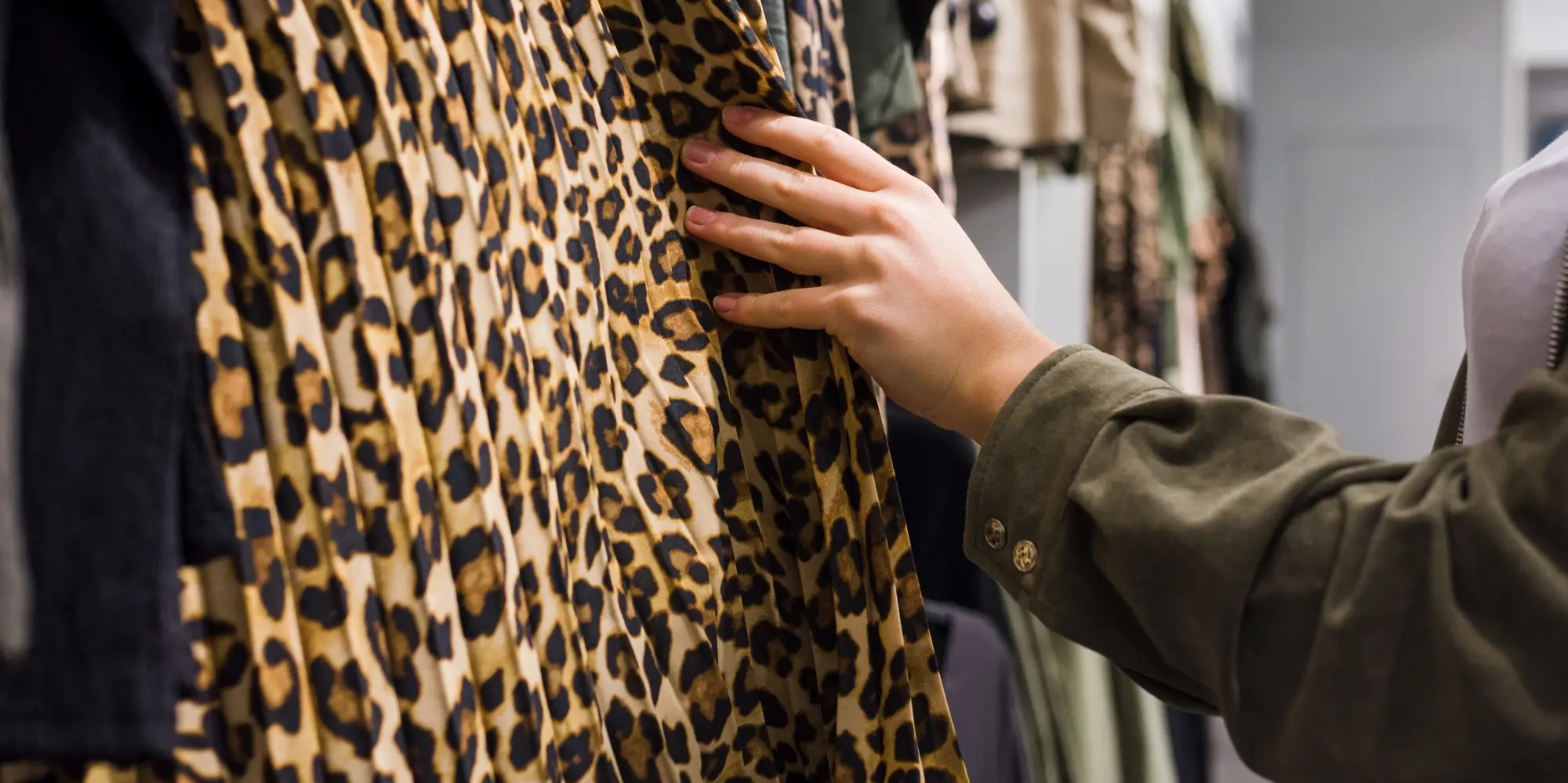
Animal print’s relationship with fashion has always been cyclical. Its early association with luxury dates back to the mid-20th century, when designers like Christian Dior used leopard print to inject glamour into structured silhouettes. It symbolised opulence, sensuality, and a certain kind of power, one that didn’t ask for permission.
By the 1960s and 70s, animal print took on a more rebellious tone. It was embraced by those who rejected minimalism, leaning instead into bold self-expression. The 1980s and 90s amplified this energy. Power dressing, excess, and statement fashion turned leopard, zebra, and snake prints into visual shorthand for confidence and dominance.
But visibility became saturation. By the 2010s, animal print felt overworked. Its dramatic reputation overshadowed its versatility, and the pattern slowly retreated from fashion’s centre stage. What followed wasn’t disappearance, but pause.
That pause made all the difference.
Why the 2025 Revival Feels Different
The current return of animal print works because it isn’t trying to prove anything. There’s no nostalgia play, no exaggerated styling, no costume-like framing. Instead, designers and wearers alike are treating it as a neutral, albeit a textured one.
In 2025, animal print feels like a choice rather than a statement. It’s worn without justification, styled without explanation. This shift in attitude is what makes the trend feel settled rather than seasonal.
Runways That Set a Quieter Tone
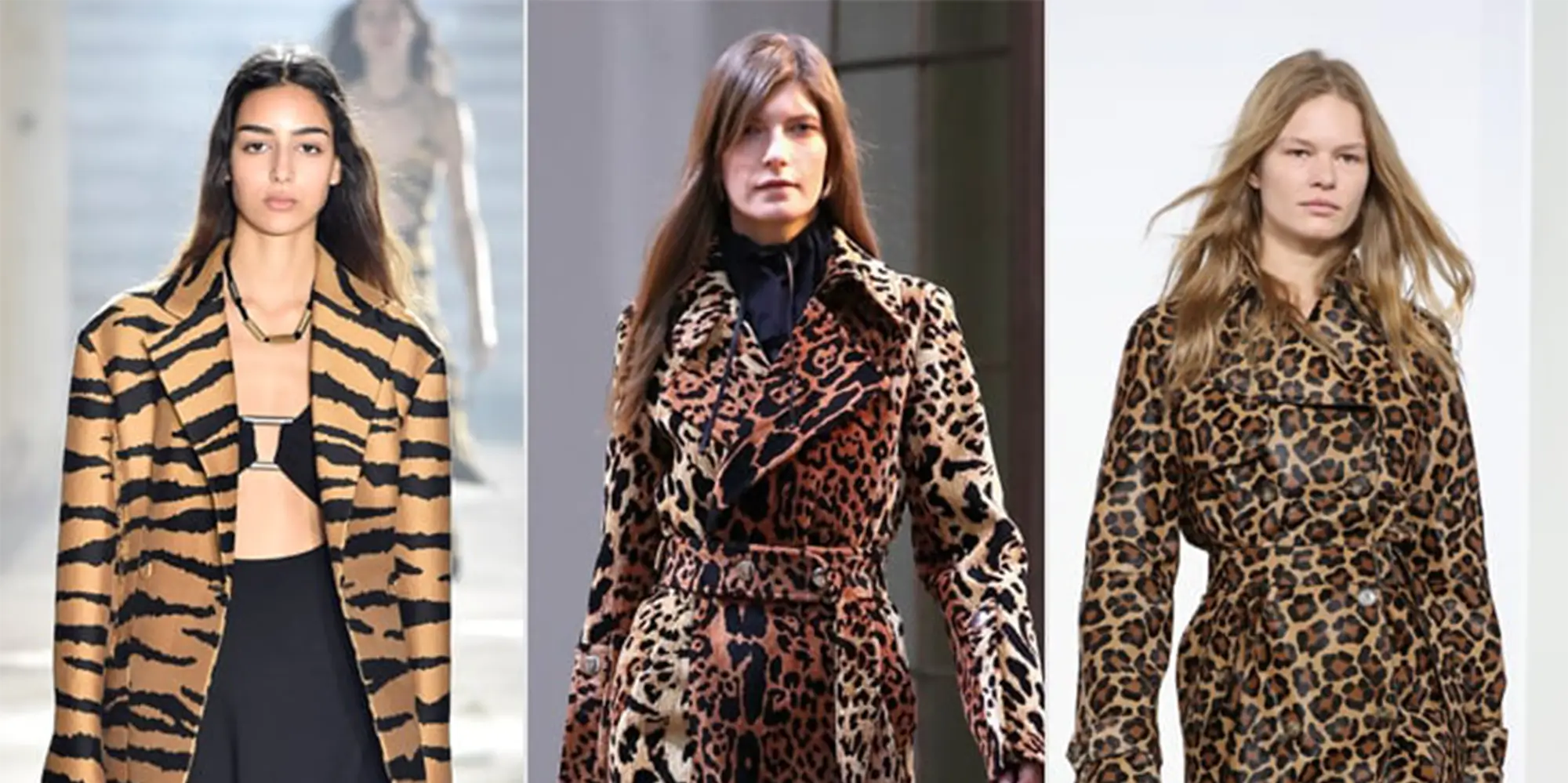
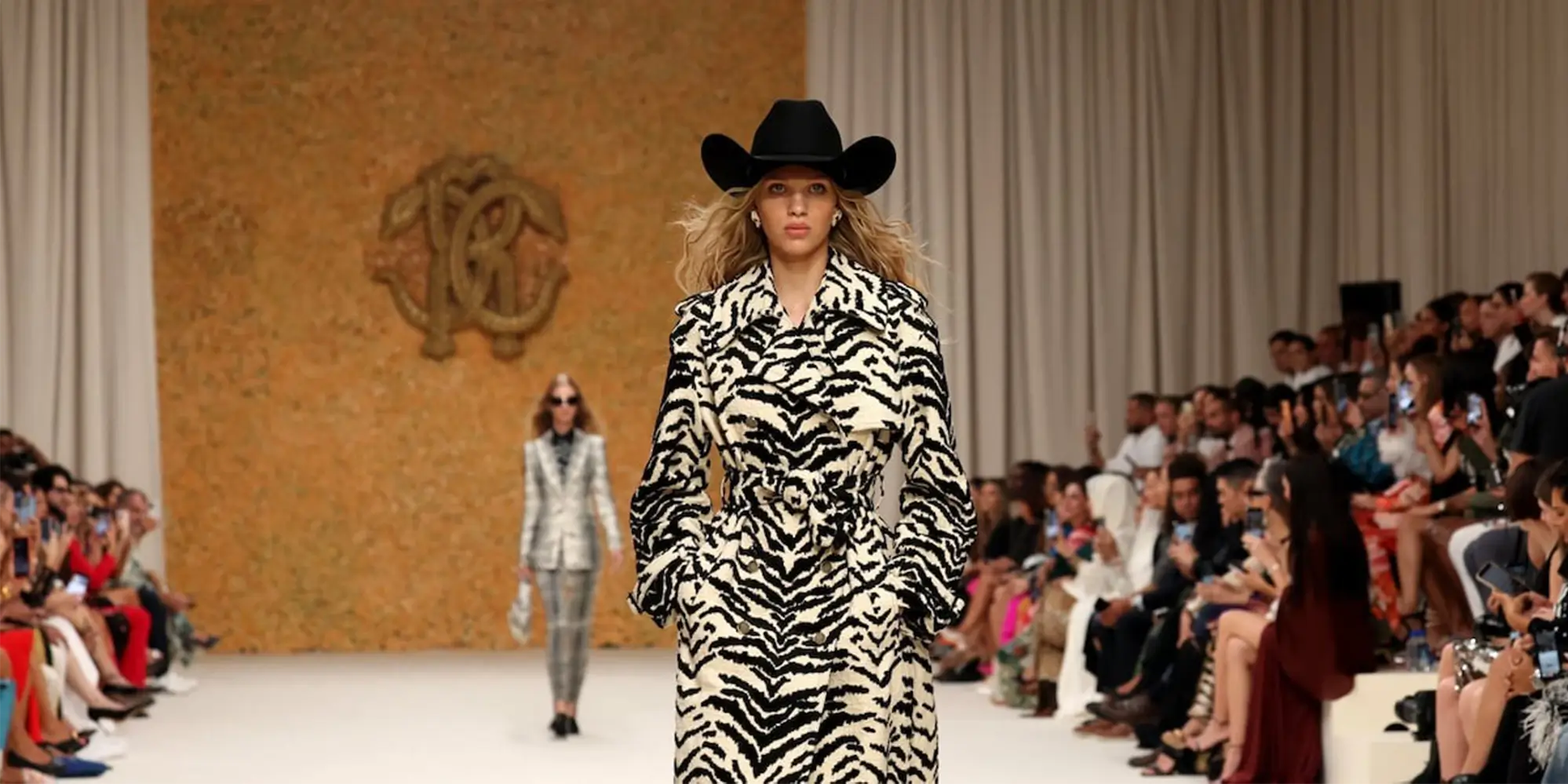
Recent runways reflected this recalibration clearly. Designers approached animal print not as a focal point, but as part of the broader design language.
Roberto Cavalli returned to its signature codes, but with restraint, leopard and jaguar prints appeared through clean tailoring and fluid silhouettes that felt contemporary rather than archival. Valentino softened the pattern entirely, layering it into sheer fabrics and embroidery, allowing it to blend rather than dominate.
Zebra print emerged as a recurring motif across Autumn/Winter 2025 collections, offering a graphic yet understated alternative that worked seamlessly with structured coats and dresses. Cow print, once dismissed as novelty, surfaced in refined silhouettes, influenced by fashion’s ongoing Western lean.
Perhaps most notably, Chanel presented an all, animal print tweed look, proof that even the most heritage-driven houses are rethinking how the print can exist quietly within luxury.
Across these collections, animal print was treated simply as fabric. Not a headline. Not a gimmick.
Celebrity Style and the Power of Ease
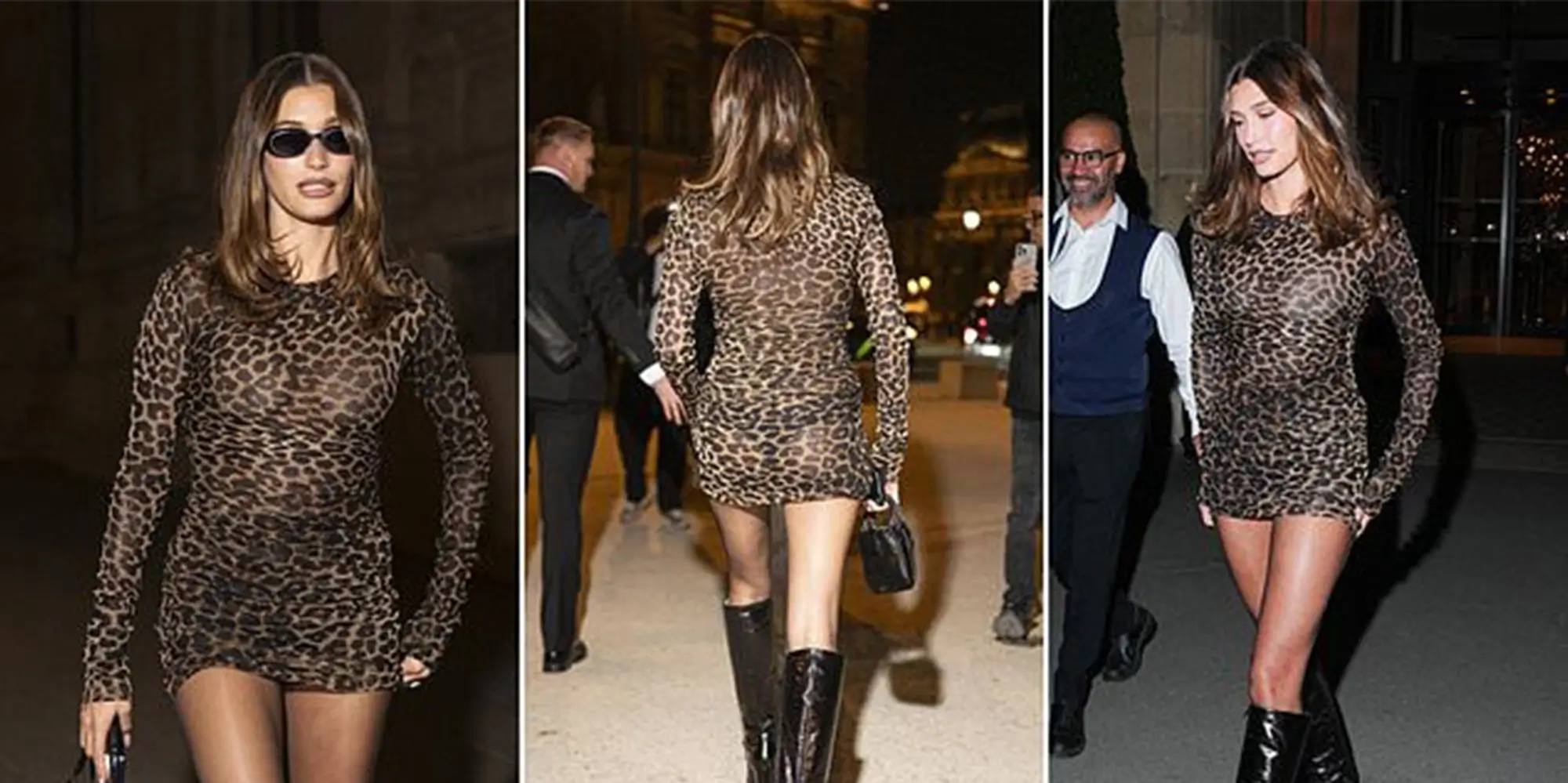
Celebrity dressing has played a significant role in reshaping public perception. What’s striking isn’t the boldness of these looks, but their casualness.
Dua Lipa wore a sheer animal-print ensemble straight off the runway, styled cleanly and without excess. Hailey Bieber repeatedly stepped out in zebra and leopard separates, paired with oversized jackets and neutral basics, making the print feel part of an everyday uniform. Rihanna treated snake-print boots like a neutral accessory, grounding them in denim and relaxed silhouettes.
Elle Fanning’s recent leopard-print maxi reinforced the idea that animal print no longer requires styling rules. And closer home, Kareena Kapoor Khan’s leopard-print Sabyasachi saree brought the pattern into a distinctly Indian luxury context, confident, rooted, and entirely unapologetic.
The common thread was ease. These weren’t themed looks or moments engineered for attention. They felt lived-in, instinctive, and refreshingly unselfconscious.
The Expansion of the Print Itself
Another reason animal print feels fresh in 2025 is variety. The conversation is no longer limited to leopard. Zebra, snake, cow, and abstracted animal motifs have entered the mix, often in muted or monochrome palettes.
This expansion softens the print’s traditional associations. It allows wearers to choose how bold, or how subtle, they want the pattern to be. A zebra-print coat can feel graphic and minimal. A snake-print accessory can function almost like texture. The range invites experimentation without overwhelming the look.
From Statement to Staple
What ultimately makes animal print work now is control. Designers are grounding it in clean tailoring, softer fabrics, and minimal styling. Wearers are approaching it without overthinking. Social media has further dismantled the idea that animal print requires a certain personality type or level of confidence to pull off.
It no longer belongs only to the bold. It belongs to anyone who wants it.
In 2025, animal print has slipped into the modern wardrobe without ceremony. It works as a coat, a dress, a shirt, or an accessory, depending on mood and context. There’s no pressure to style it loudly or explain it away.
Stay visible where fashion conversations turn into real opportunities. Dazzlerr connects models and creatives with verified auditions, jobs, and industry professionals across India!
Similar Posts