

Finding the right foundation shade can feel surprisingly complicated. What looks perfect in the bottle often behaves very differently on the skin. The result is usually a shade that feels “almost right,” but not quite seamless.
The good news is that shade matching becomes much easier once you understand a few simple principles about your skin. Learning how to choose foundation shade correctly is less about guessing and more about observing what your skin naturally does.
Let us go step by step in a clear and practical way.
Step-by-Step Guide to Your Perfect Foundation Shade
Finding the right foundation does not have to feel confusing. Follow these simple steps to understand your skin tone, undertone, and choose a shade that blends naturally with your skin.
Step 1: Understanding Your Skin Tone (Depth of Colour)
Start by identifying your skin depth, fair, light, medium, or deep. This helps narrow your shade range quickly.
For a more accurate match, always consider your face, neck, and chest together, as natural tone differences are normal.
When learning how to choose foundation shade, balance matters more than exact matching. The goal is a shade that blends smoothly with your overall skin.
Test foundation along the jawline in natural light. This gives the most reliable result and avoids confusion from incorrect lighting or limited testing areas.
Step 2: Understanding Undertone (The Most Important Factor)
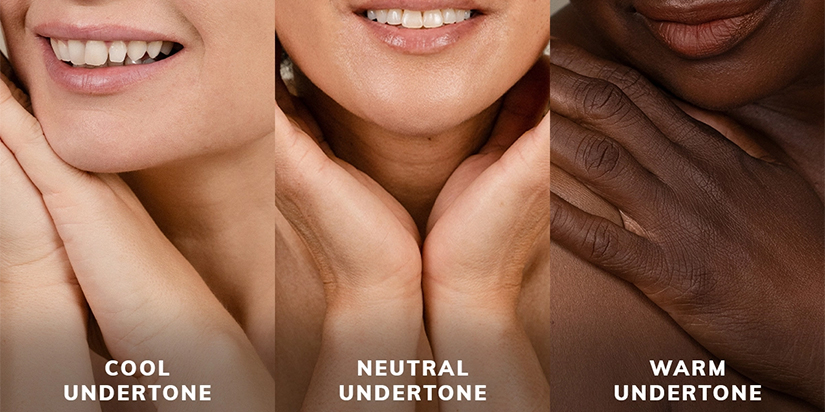
Undertone is where most people struggle, but it is actually one of the most reliable ways to find your perfect foundation match.
Unlike skin tone, undertone is the subtle colour underneath the skin’s surface. It remains fairly constant throughout the year, even if your skin tans or lightens with seasons.
Understanding undertones is essential when learning how to choose foundation shade because the wrong undertone can completely change how foundation appears on the skin.
There are three main undertone categories:
Warm Undertone
Warm undertones usually have a soft golden, yellow, or peach-like base. Skin with warm undertones often appears sun-kissed or slightly golden even without makeup.
Foundations with warm or golden undertones tend to blend more naturally because they complement the natural warmth in the skin.
Cool Undertone
Cool undertones lean toward pink, reddish, or slightly bluish hues. The skin may look more flushed or rosy in certain lighting.
In this case, foundations with cool or neutral-pink bases tend to sit more naturally on the skin, helping balance out redness and create an even finish.
Neutral Undertone
Neutral undertones sit between warm and cool tones, without leaning strongly toward yellow or pink. This makes the skin more flexible with different foundation shades.
People with neutral undertones can often wear both warm and cool foundations, as long as the depth is right.
A simple rule when learning how to choose foundation shade is this: if the foundation blends into the skin without changing its natural look, the undertone is likely correct.
Step 3: Test on Jawline, Not Hand

Even with a clear understanding of tone and undertone, testing is still important. Store lighting can change how foundation appears compared to natural light.
For accurate results, apply two or three shades along the jawline instead of the hand. This is a key step in how to choose foundation shade, as the face and hand often differ in color.
Wait a few minutes after applying, as some foundations may oxidize and change slightly. Then check in natural light for the most honest result.
If the shade blends into your skin and the edges are not visible, it is a strong match.
Step 4: Remember That Skin Changes With Time
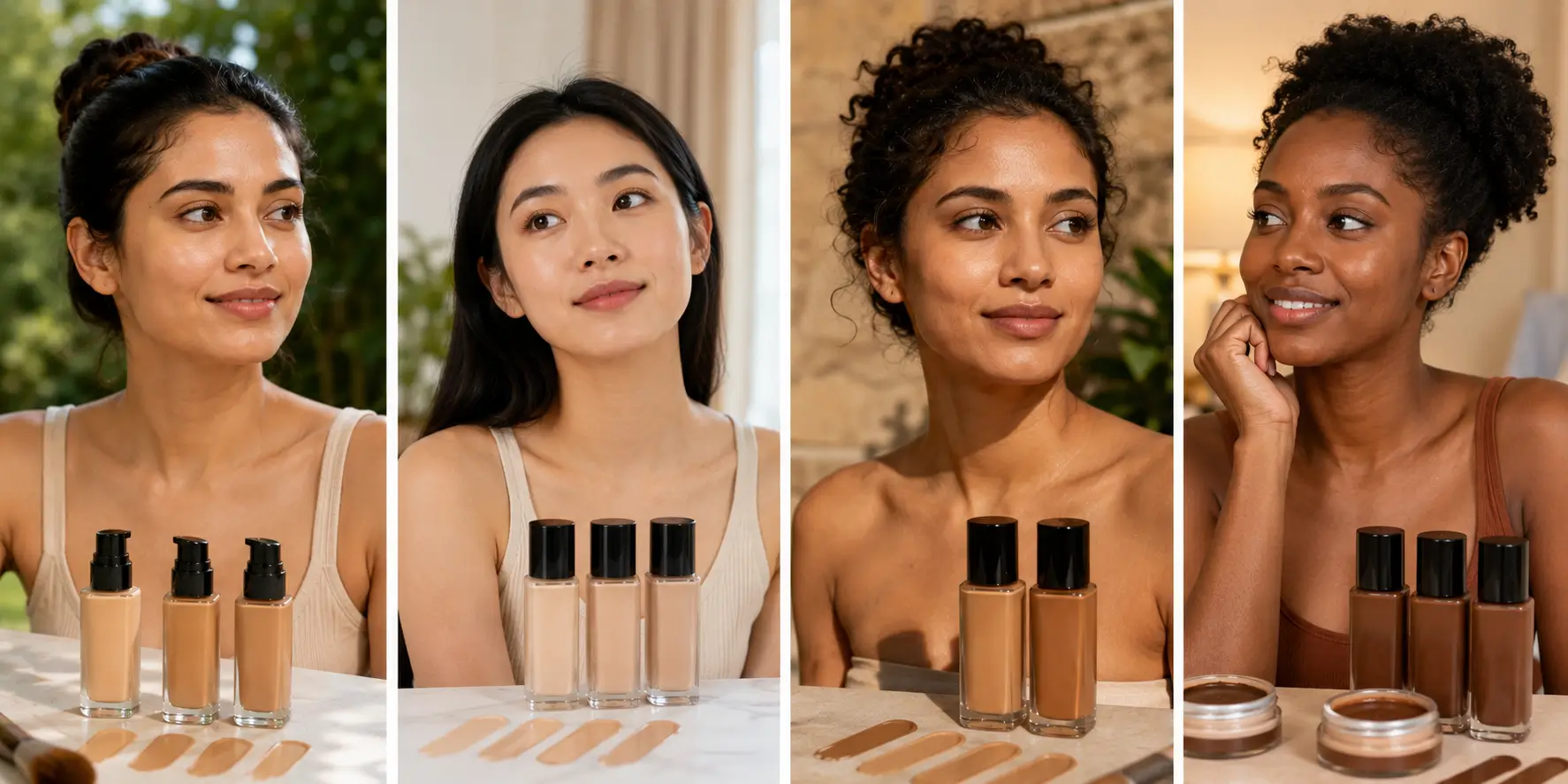
Skin is not fixed throughout the year. It naturally changes with seasons, sun exposure, skincare routines, and even lifestyle factors.
During warmer months, the skin often becomes slightly deeper due to sun exposure. In colder months, it may appear lighter or more muted.
Many beauty experts discussing how to choose foundation shade recommend adjusting your foundation slightly across seasons instead of using one shade all year.
Some even mix two shades to create a more natural in-between tone. This approach offers flexibility and ensures that the base always looks balanced, regardless of seasonal changes.
Conclusion
Choosing the right foundation shade is not about perfection. It is about awareness. Once you understand your skin depth, undertone, and how lighting affects colour, the entire process becomes much more intuitive.
Learning how to choose foundation shade properly can completely change how makeup looks and feels on your skin. The best foundation is the one that does not draw attention to itself. It simply blends in, enhances your natural skin, and allows your features to stand out effortlessly.
When that happens, makeup stops looking like makeup and starts looking like skin at its best.
Discover more beauty tips, trends, and creative inspiration on Dazzlerr, where talent and style come together. Join us now!
FAQs
1. How do I start learning how to choose foundation shade correctly?
Begin by identifying your skin depth and undertone. These two factors help narrow down the right range quickly.
2. Why does my foundation look different in natural light?
Store lighting can distort color, always check the product in natural daylight for accurate results.
3. Can I wear a foundation that is slightly lighter or darker than my skin?
Yes, but it should still match your undertone. A key part is ensuring the shade blends naturally with your neck and face.
4. What is the most common mistake in foundation shade selection?
The most common mistake is testing on the hand instead of the jawline. Correct practice always involves testing on the face.
Similar Posts