What happens when India tells one of its oldest stories, and the world views it through two very different lenses?
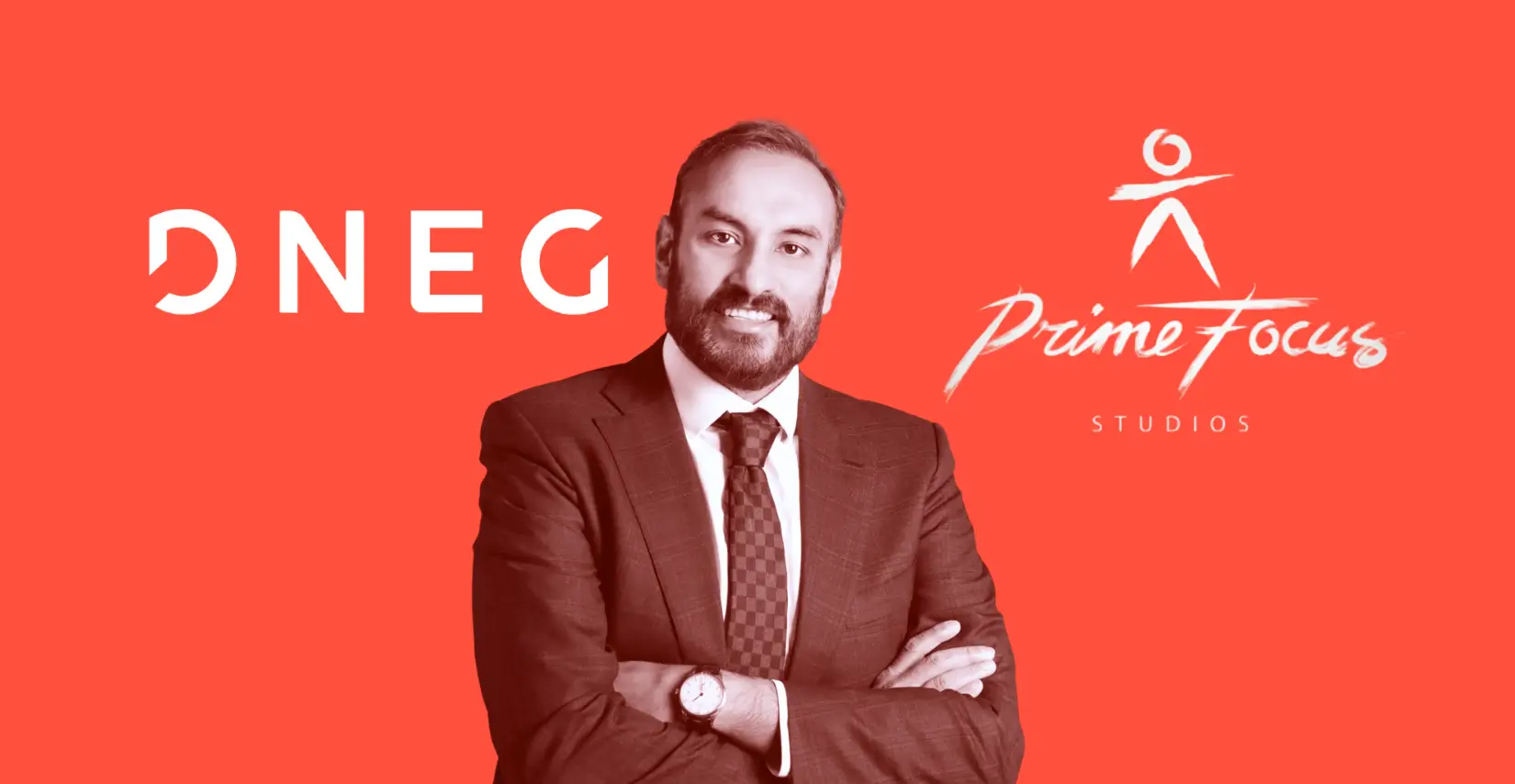
The Ramayana has travelled across generations, languages and cultures. Now, its cinematic adaptation, created under the leadership of Namit Malhotra, CEO of DNEG and Founder and Chairman of Prime Focus, has sparked a wider debate about how Indian stories are received internationally.
“Western audiences and Western critics appear to have very different responses to the film.”
But why?
Are professional critics out of step with public opinion?
Do cultural differences shape how viewers interpret the story?
Or are Indian films being judged against standards that do not always account for their cultural context?
A closer look at Ramayana movie reviews, Western audience reactions and international media coverage raises a larger question: when audiences and critics watch the same Indian film, why can their verdicts differ so sharply?
And what does this divide reveal about the way Indian cinema is understood and judged internationally?
Ramayana International Reviews: Can the West Accept an Indian Epic on Hollywood’s Scale?
Indian companies helped Hollywood create some of its biggest cinematic spectacles. Now, an Indian company is building something on that very scale. Has the West made room for that possibility?
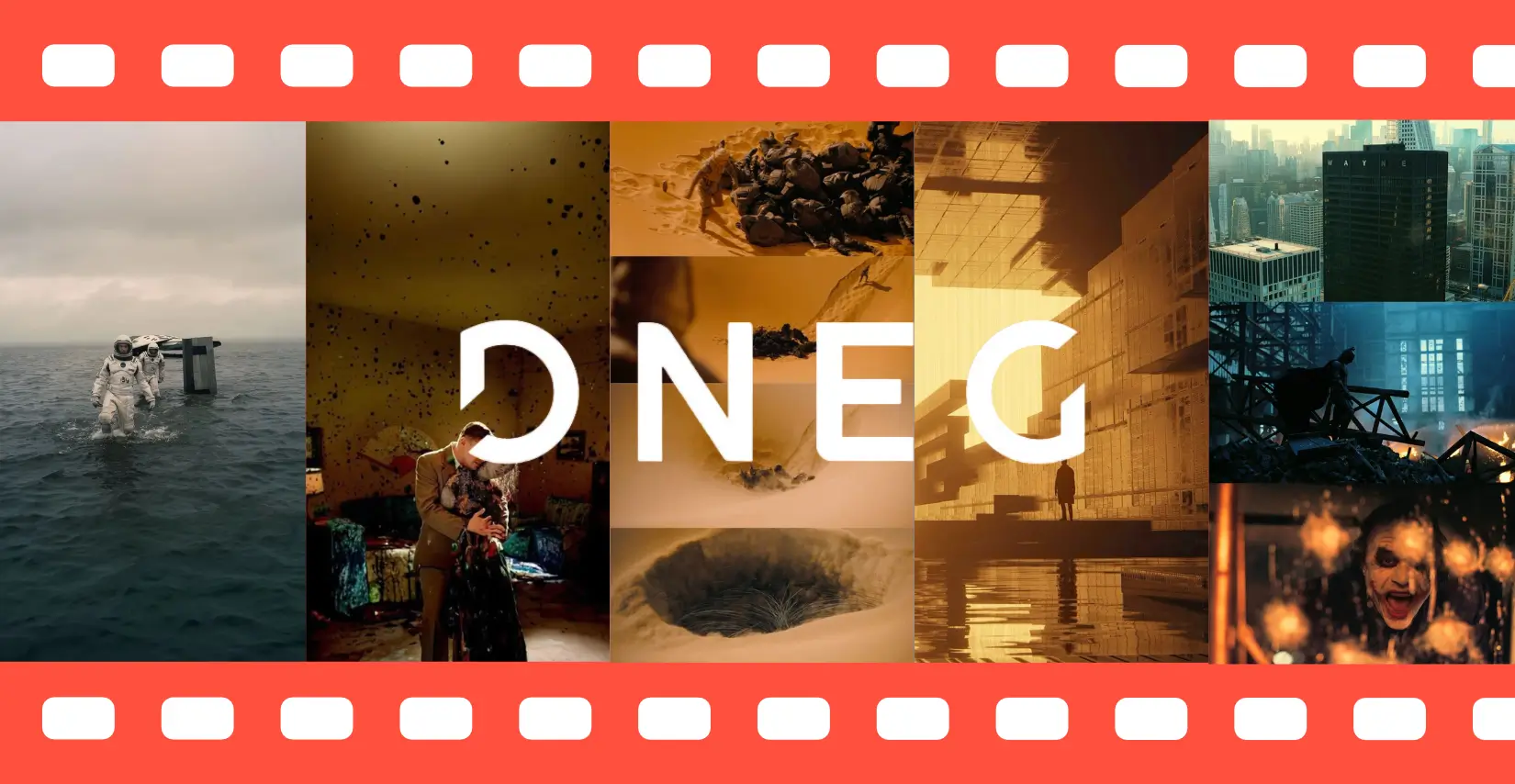
Under the leadership of its Indian parent company, Prime Focus, DNEG has become a major force in Hollywood’s visual effects industry. Its credits include Interstellar, Inception, Dune, Blade Runner 2049 and The Dark Knight. Its work has earned eight Academy Awards, eight BAFTAs and 26 Visual Effects Society Awards.
Film VFX Showreel | DNEG
For years, DNEG helped Hollywood realise its grandest cinematic visions. Now, that same Indian-rooted creative powerhouse is bringing the Ramayana to the global screen.
The question is simple, can the West recognise India’s ability to create the spectacle it once looked to Hollywood to deliver?
Only Hollywood Gets Creative Freedom But Indian Must Explain It?
Hollywood has spent decades turning mythology, religion and fantasy into billion-dollar cinematic worlds. Its filmmakers are allowed to reinterpret legends, expand fictional universes and take creative liberties.
RAMAYANA: RISE OF A LEGEND – NEW TRAILER IN HINDI
Yet when Indian cinema attempts the same ambition, the conversation often shifts towards whether it has gone too far.
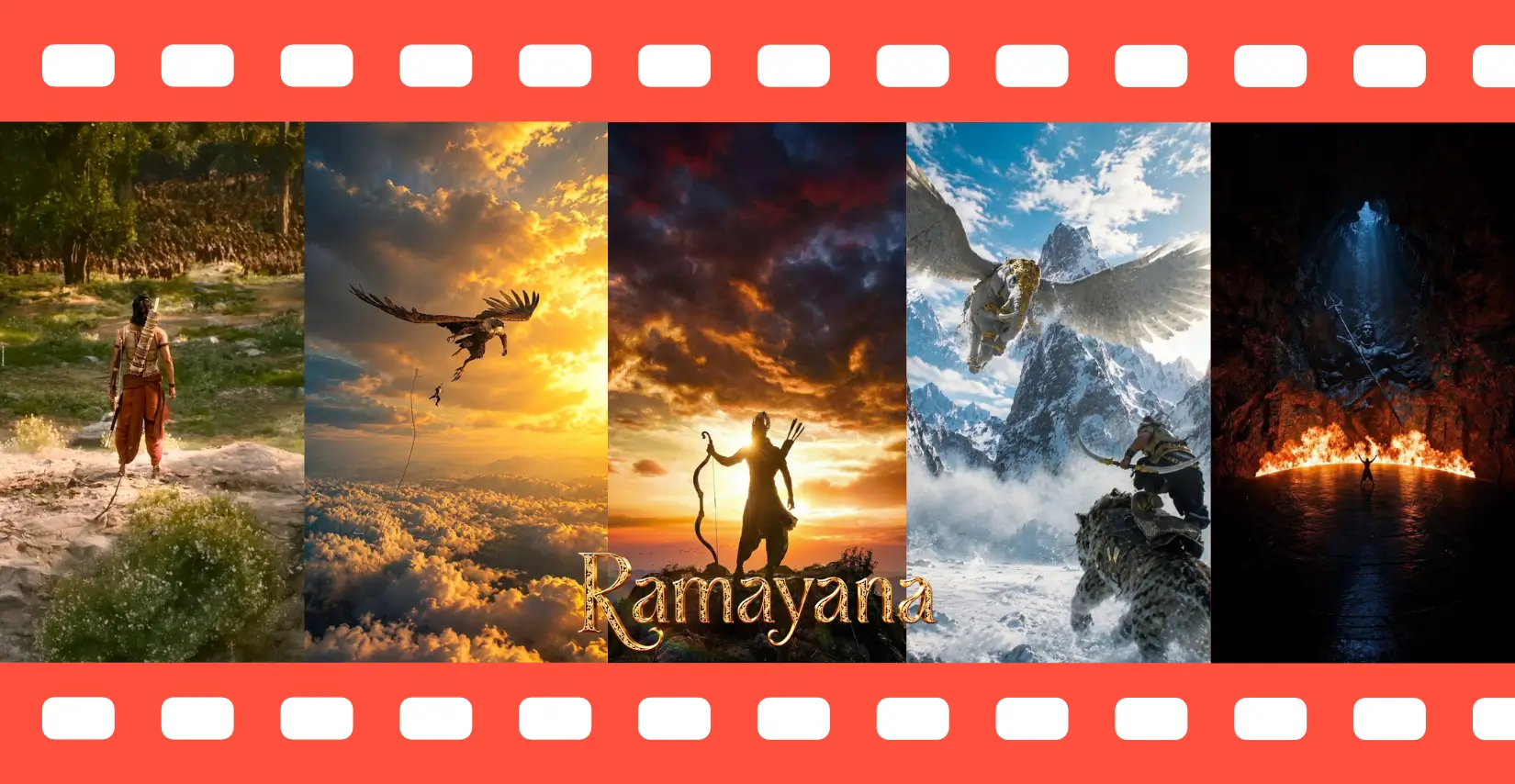
That raises a larger question about Indian cinema vs Hollywood. Are both industries being judged by the same standards?
Ramayana is rooted in a civilisation’s living cultural memory. Its scale, visual language and storytelling choices will naturally invite scrutiny. But criticism should examine the filmmaking, not dismiss the ambition because it comes from India.
Why is creative freedom celebrated when Hollywood exercises it, but questioned when an Indian filmmaker does the same?
Western Critics Have Their Verdict. Indian Audiences Have Their Own.
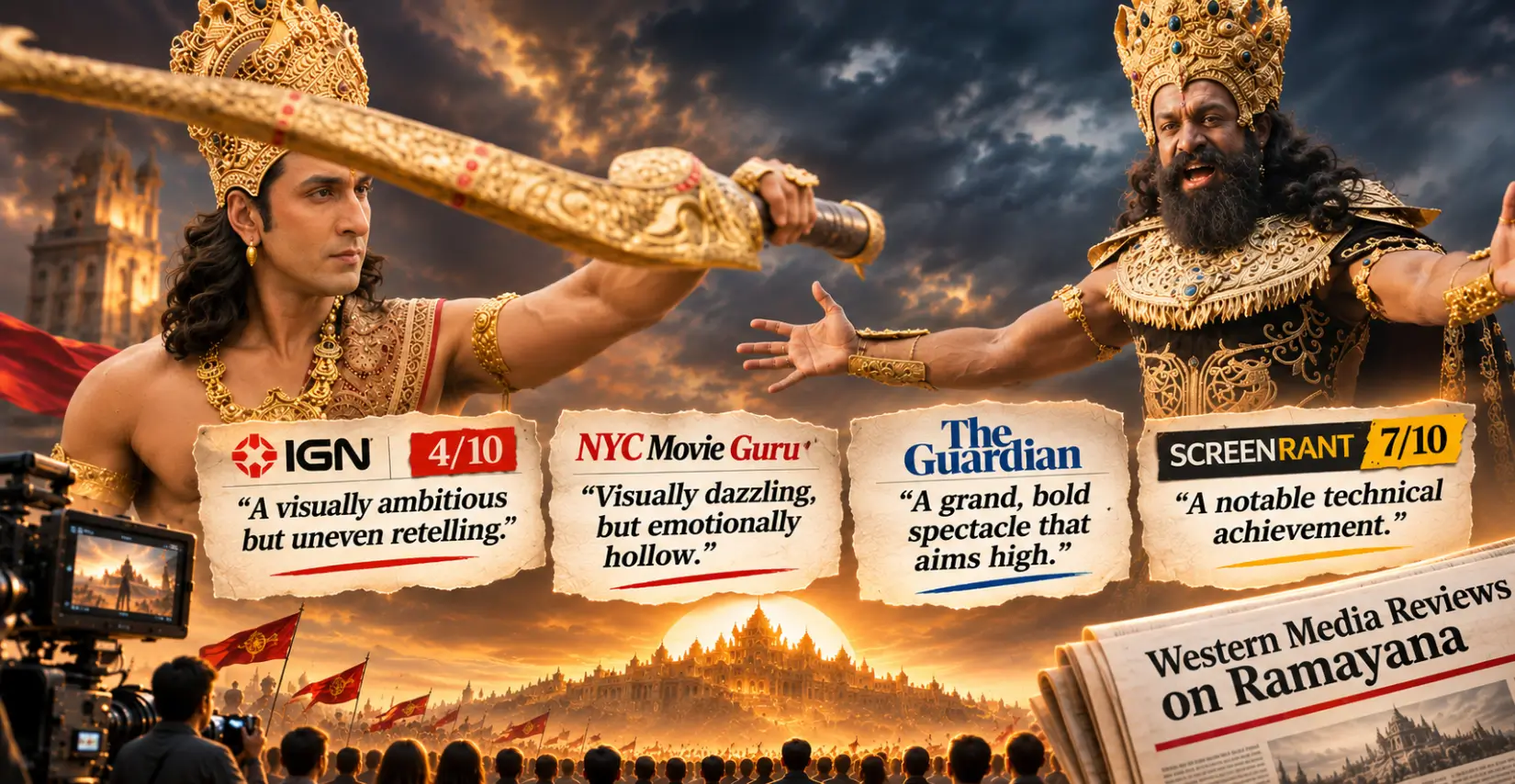
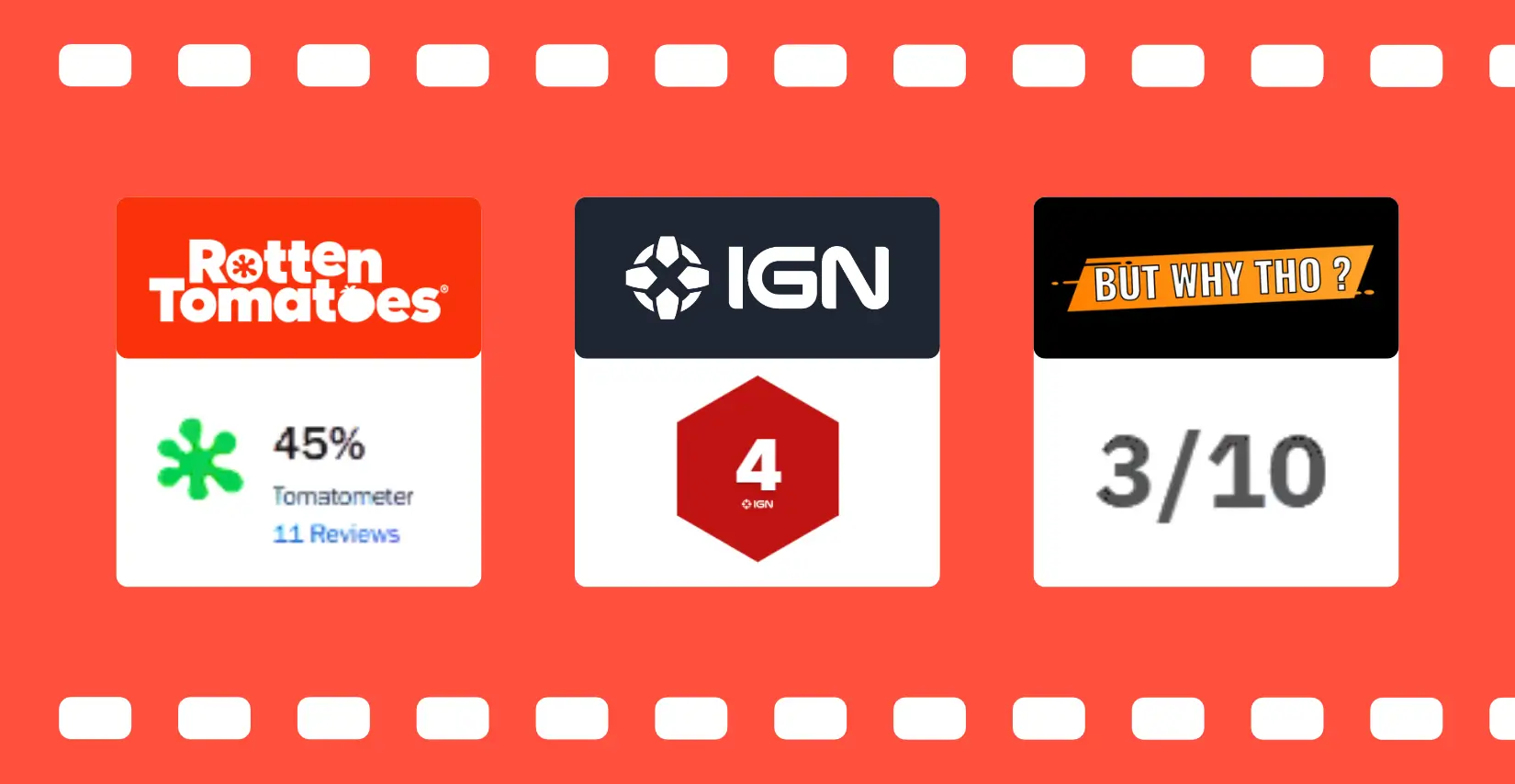
The Western media reviews of Ramayana have raised eyebrows. IGN’s 4/10 review criticised its CGI, action and AI lip-syncing, while But Why Tho gave it 3/10, calling it an “ornate thud of an epic”. Yet the criticism is far from unanimous. The Guardian awarded it 4/5, praising its scale and adventurous storytelling.
There is another question worth asking. Where are the reviews from some of Hollywood’s biggest entertainment publications? As of November 5, searches of Variety, The Hollywood Reporter and Deadline have not turned up standalone reviews of the film. TheWrap covered Sony’s distribution deal, but its coverage did not amount to a film review. Is a production of this scale receiving the international media attention it deserves?
Meanwhile, the early Indian audience reaction has been more encouraging. Viewers have praised Ranbir Kapoor and Yash’s performances, the visual effects and the film’s scale, although criticism of the music, pacing and storytelling has also emerged. India Today’s first-day coverage also records positive reactions from moviegoers leaving theatres.
The numbers tell us the debate is still unfolding. Rotten Tomatoes currently lists 11 critic reviews and a 45% Tomatometer score, but zero verified audience ratings.
And Indians are not waiting for international critics to have the final word. They are building their own platforms to make their voices count.
Indians Are Building Their Own Verdict
If international critics get a platform to judge Indian cinema, why shouldn’t Indian audiences have one of their own?
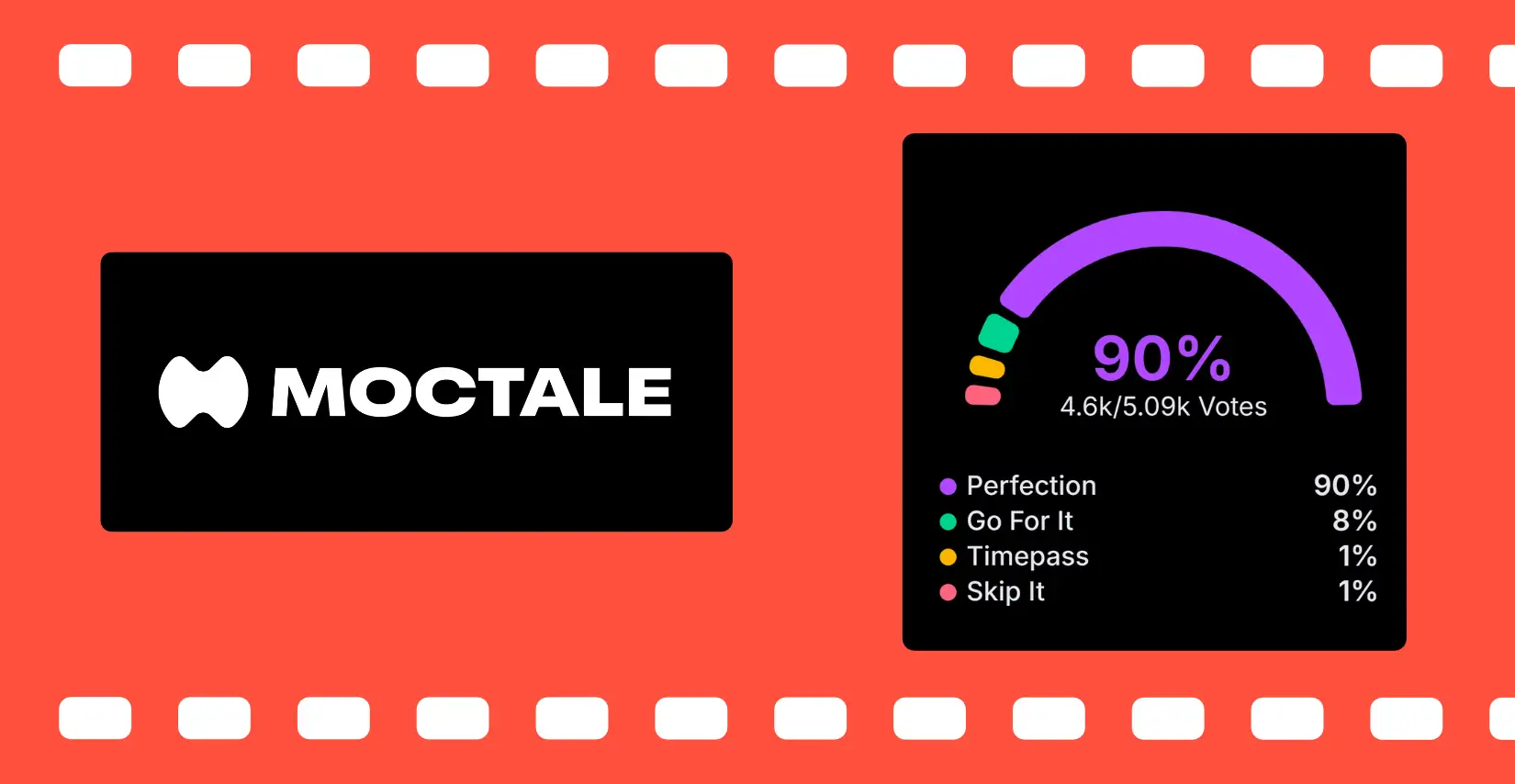
Enter Moctale, an Indian movie review platform created by three independent YouTube creators associated with Men of Culture. Its idea challenges the conventional star-rating system through four simple verdicts: Perfection, Go For It, Timepass and Skip It.
The Moctale Ramayana page gives viewers a place to record their own response. Its Moctale Meter puts community opinion at the centre of film discovery.
This is how Indian audiences are shaping the conversation around Ramayana movie reviews. They are building alternatives, sharing their verdicts and questioning why a critic’s score should carry more weight than a viewer’s experience.
Because India’s stories deserve to be heard by the world, and India’s audiences deserve a voice in how they are judged.
Representation Matters, How Dazzlerr Is Opening Doors for Indian Talent
India’s entertainment industry needs more platforms that help homegrown talent get noticed. Dazzlerr connects actors, models, photographers, dancers and other creative professionals with casting agencies, production houses and brands through digital portfolios and casting opportunities.

As Indian stories reach larger audiences, the people who bring them to life deserve greater visibility too. Because representation begins with giving talent the opportunity to be seen, considered and chosen.
Similar Posts