
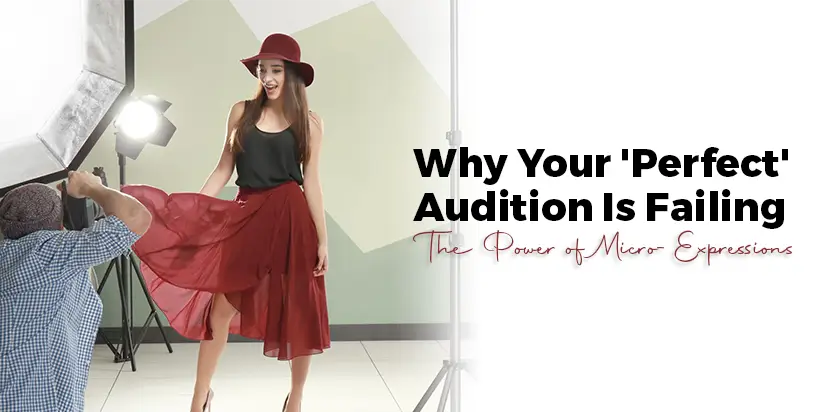
You’ve prepared the lines for audition, practiced every movement, and nailed the pose, yet the call never comes. Frustrating, right? Many talented actors and models face the same challenge, and the reason is often hidden in the smallest details: micro-expressions.
These fleeting facial movements can make or break an audition, especially in today’s digital casting world. Understanding how to control and use them effectively can give you the edge you need. In this blog, we’ll explore micro-expressions, common mistakes, and acting tips for auditions to improve your chances of success.
What Are Micro-Expressions in an Audition?

Image credit: www.freepik.com
Micro-expressions are subtle, involuntary facial movements that reveal your true emotions. They usually last less than a second, but casting directors can pick up on them subconsciously. From a slight frown to a tiny smirk, these expressions often communicate more than words or gestures.
In the context of acting, micro-expressions are critical because they help convey authenticity. Whether you’re performing for a live audition or sending a self-tape, your face tells the story before your lines even land. Screen acting micro-expressions allow casting directors to see genuine emotion, even through the lens of a camera, and can make the difference between getting booked or overlooked.
Why Micro-Expressions Matter in Audition

Image credit: www.freepik.com
Micro-expressions play a decisive role in auditions because casting directors are trained to notice even the smallest facial cues. Subtle signs of nervousness, hesitation, or uncertainty can surface despite flawless lines, shaping how a performance is perceived.
Auditions are never just about dialogue; emotions often speak louder than words, with facial expressions revealing a character’s inner world more clearly than the script alone. Confidence, too, is reflected on the face, as a calm and relaxed presence naturally appears more professional and capable.
Since first impressions form quickly, even a brief self-tape can be influenced by fleeting expressions. Small mistakes, such as a momentary frown, may unintentionally signal doubt. Ultimately, micro-expressions help determine emotional fit, making acting tips for auditions essential for conscious control and authenticity.
Common Micro-Expression Mistakes in Auditions

Image credit: www.freepik.com
Even experienced performers can fall into traps with micro-expressions. Here are the most frequent mistakes:
- Forced or Fake Smiles: A smile that doesn’t reach the eyes looks unnatural and can create a negative impression.
- Showing Nervousness or Anxiety: Rapid blinking, tense jaw, or tight lips may signal discomfort.
- Frowning or Tension When Lines Go Wrong: Brief frustration or disappointment can be noticed instantly.
- Avoiding Eye Contact: Eyes reveal confidence; looking away too often can suggest insecurity and you should know how to show emotion on camera.
- Brief Looks of Frustration or Impatience: Micro-expressions of annoyance can overshadow performance.
- Over-Exaggerating Emotions: Overacting can appear artificial, particularly on camera.
- Inconsistent Facial Expressions: Conflicting expressions can confuse casting directors about your emotional state.
By identifying these mistakes, actors can align their performance with casting director advice 2026 and modern expectations, whether in person or in self-tape auditions.
How to Master Micro-Expressions

Image credit: www.freepik.com
Mastering micro-expressions requires awareness, practice, and mindfulness. Here’s how you can start:
- Practice in Front of a Mirror: Watch your subtle facial movements as you deliver lines to notice unintended expressions.
- Record and Review Yourself: Self-tape techniques allow you to see how micro-expressions appear on camera and make adjustments.
- Stay Calm and Relaxed: Stress amplifies involuntary expressions. Deep breathing and relaxation help you maintain control.
- Use Emotional Recall: Connect with real emotions to create natural expressions instead of forced ones.
- Match Expressions to Character: Align your micro-expressions with the personality and mood of the role for consistency.
- Avoid Over-Controlling Your Face: Trying too hard to suppress expressions can make your performance seem rigid.
- Focus on Authenticity: Genuine emotion is always more compelling than perfection.
Regular practice of these techniques will help you confidently manage your micro-expressions during auditions and self-tapes.
Using Micro-Expressions to Your Advantage
When used correctly, micro-expressions become a powerful tool in your acting toolkit. Here’s how to leverage them:
- Convey Confidence Subtly: A relaxed brow and soft smile can project professionalism and approachability.
- Enhance Emotional Impact: Small, intentional expressions can amplify the emotion in your lines without overdoing it.
- Create Character Depth: Use nuanced expressions to reveal layers of your character’s personality.
- Stand Out in Self-Tapes: Camera lenses capture subtle movements better than live auditions; screen acting micro-expressions can give you an edge.
Understanding and controlling these expressions makes your performance memorable and increases your chances of success.

Conclusion
Your “perfect” audition may be faltering not because of your talent, but because of micro-expressions that reveal nerves, doubt, or inauthenticity. By becoming aware of these subtle cues and practicing control through acting tips for auditions, you can present yourself confidently, convey genuine emotion, and impress casting directors consistently.
Whether using self-tape techniques or performing live, mastering micro-expressions is a game-changer in the competitive world of acting.
And if you’re looking for verified auditions and opportunities to put these tips into practice, create your profile on Dazzlerr!
Similar Posts