
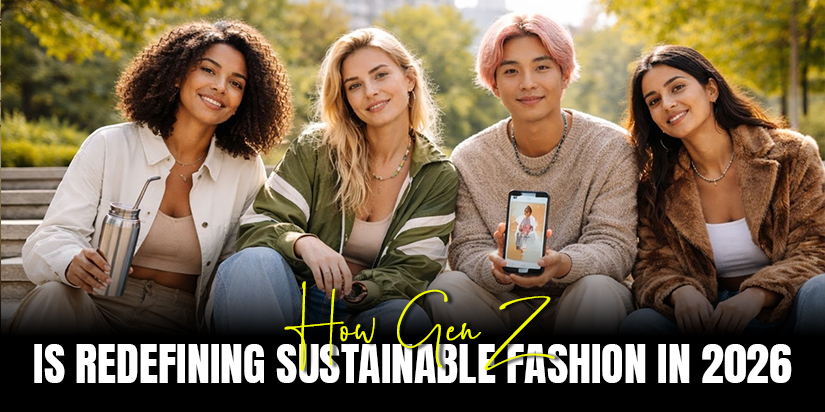
Have you ever wondered why Gen Z is transforming the fashion industry like no generation before?
In 2026, this tech-savvy, socially conscious generation is not just following trends; they are redefining how fashion is created, consumed, and celebrated.
This shift goes beyond aesthetics: Gen Z is actively shaping sustainability, ethical practices, and wardrobe efficiency, setting new standards that are influencing brands, designers, and fellow consumers alike.
Let’s explore the key ways they are redefining fashion for a more sustainable future.
The Rise of Conscious Consumerism
Gen Z’s approach to fashion is grounded in responsible choices. Unlike previous generations, they actively consider the environmental and social impact of their clothing. Key behaviors include:
- Prioritizing eco-friendly brands: Gen Z often researches sustainability certifications, materials, and production ethics before making purchases.
- Embracing secondhand shopping: Thrift stores, online resale platforms, and vintage shops are becoming central to Gen Z wardrobes.
- Reducing fast fashion consumption: Rather than buying impulsively, Gen Z focuses on long-term value and ethical sourcing.
Minimalism Meets the 3-3-3 Wardrobe Rule
A notable trend among Gen Z is the 3-3-3 capsule wardrobe, a minimalist approach that encourages versatility:
- 3 tops, 3 bottoms, 3 pairs of shoes: This framework simplifies dressing, reduces waste, and encourages thoughtful purchases.
- Mix-and-match styling: The capsule wardrobe prioritizes pieces that can be combined in multiple ways, extending their lifecycle.
- Sustainable rotation: By focusing on fewer, higher-quality items, Gen Z reduces overconsumption while maintaining style flexibility.
Tips to Adopt a Capsule Wardrobe
- Choose neutral or coordinating colors for maximum outfit combinations.
- Invest in durable fabrics that can withstand repeated wear.
- Rotate seasonal items to maintain freshness without adding clutter.
The Role of Technology in Sustainable Fashion
Gen Z’s comfort with technology is also influencing sustainability in fashion:
- Digital wardrobe management apps: These tools track usage, suggest outfit combinations, and reduce unnecessary purchases.
- AI-driven fashion recommendations: Personalized suggestions help consumers make mindful choices instead of impulse buys.
- Tech-infused materials: Smart fabrics that regulate temperature, resist odor, or offer multi-functional use reduce the need for frequent replacements.
Ethical and Inclusive Fashion
Sustainability for Gen Z goes beyond environmental concerns; it includes ethical labor practices and inclusivity:
- Fair trade and transparent sourcing: Brands adhering to ethical labor standards are preferred.
- Diversity in sizing and representation: Inclusive fashion ensures all body types and identities are represented.
- Vegan and cruelty-free alternatives: Faux leather, faux fur, and plant-based textiles are increasingly popular.
Steps Brands Can Take to Align with Gen Z Values
- Publish clear sustainability reports and certifications.
- Offer recycling or take-back programs for old garments.
- Collaborate with designers and communities to promote cultural authenticity.
Small Steps Consumers Can Take
Even without buying new sustainable pieces, Gen Z demonstrates eco-conscious habits:
- Upcycling and DIY fashion projects: Transforming old clothes into new styles reduces waste.
- Clothing swaps: Organizing exchanges with friends or local communities encourages reusing garments.
- Mindful laundering: Washing at lower temperatures, air-drying, and using eco-friendly detergents reduces environmental impact.
The Future of Sustainable Fashion
By 2026, Gen Z is establishing a blueprint for long-term sustainable fashion practices:
- They are turning social media influence into advocacy, promoting ethical brands, and challenging fast fashion narratives.
- Their focus on quality, versatility, and ethics is shaping both mainstream retail and luxury sectors.
- Sustainability is no longer an optional marketing angle; it is becoming a standard expectation for new generations of consumers.
Take the Next Step
Understanding how Gen Z is redefining sustainable fashion can guide both consumers and fashion enthusiasts in making informed choices. Start by evaluating your own wardrobe, supporting ethical brands, or experimenting with a capsule wardrobe approach. Small, mindful changes can have a meaningful impact on the planet and the future of fashion.
As the fashion industry continues to evolve, digital platforms are playing an increasingly important role in shaping trends and connecting conscious consumers with sustainable brands. Platforms like Dazzlerr empower Gen Z models, designers, and creative professionals to connect with ethical and sustainable brands, showcase their work, and discover opportunities that align with conscious fashion values. By leveraging these platforms, the next generation of fashion leaders can not only express their style but also drive meaningful change in the industry.
FAQs
1. What is sustainable fashion, and why does it matter to Gen Z?
Sustainable fashion focuses on eco-friendly materials, ethical production, and reduced waste. Gen Z prioritizes these practices to minimize environmental impact and support ethical labor standards.
2. What is the 3-3-3 capsule wardrobe popular among Gen Z?
The 3-3-3 rule involves 3 tops, 3 bottoms, and 3 pairs of shoes. It promotes versatility, reduces overconsumption, and encourages thoughtful, sustainable wardrobe choices.
3. How is technology influencing Gen Z’s fashion choices?
Gen Z leverages apps for wardrobe management, AI recommendations, and tech-infused textiles to make conscious, informed fashion decisions.
4. Why is secondhand shopping important for sustainable fashion?
Buying secondhand reduces waste, extends the life of garments, and helps consumers access unique, high-quality pieces without supporting fast fashion.
5. How can young fashion enthusiasts get involved with sustainable fashion in India?
Platforms like Dazzlerr allow models, designers, and creatives to connect with sustainable brands, showcase portfolios, and find opportunities that align with eco-conscious fashion values.
Similar Posts