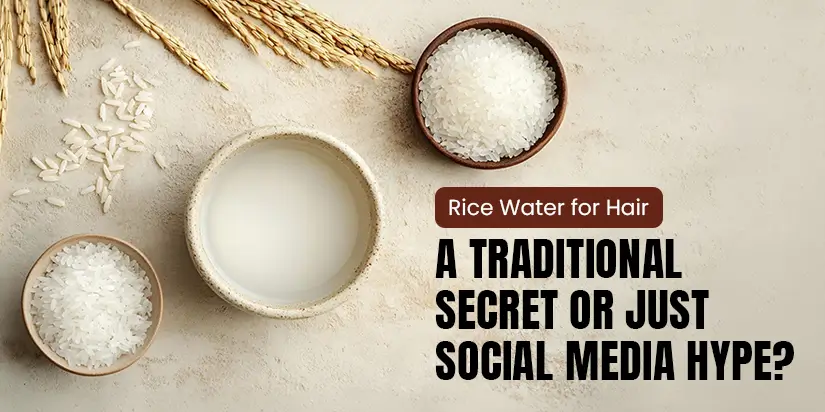
Rice Water for Hair: A Traditional Secret or Just Social Media Hype?
If you have spent even five minutes on the beauty side of social media lately, you have likely seen someone pouring a bowl of cloudy water over their head. This “liquid gold” is actually just rice water, and it has taken the internet by storm.
While it feels like a modern viral trend, rice water for hair is actually an ancient beauty secret used for centuries in Asian cultures. But does it really work, or is it all just clever editing? Let’s dive into the facts.
The “Cloudy” Science: What’s Actually Inside?
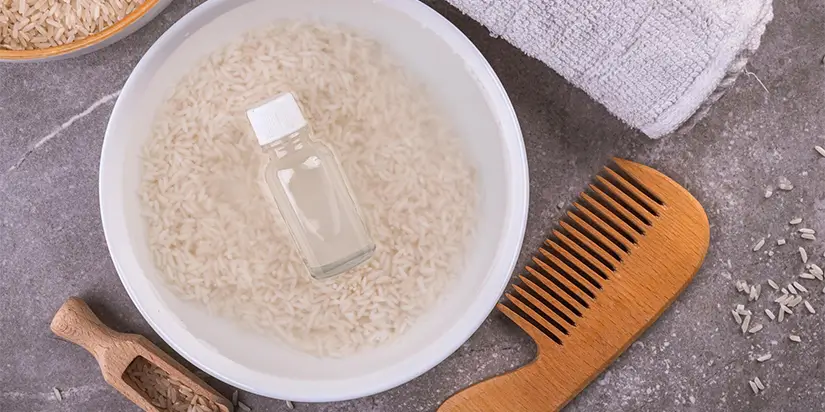
To understand the benefits of rice water for hair, we have to look at the chemistry of the water left behind after soaking rice. When rice sits in water, it releases starch, which acts as a natural coating for the hair shaft. More importantly, it is packed with amino acids for hair health.
These acids are the building blocks of protein, helping to smooth down the hair cuticle and provide a temporary boost in strength. It also contains inositol, a carbohydrate that can stay inside the hair even after rinsing, acting as a shield against damage.
Benefits: What Rice Water Can (Actually) Do
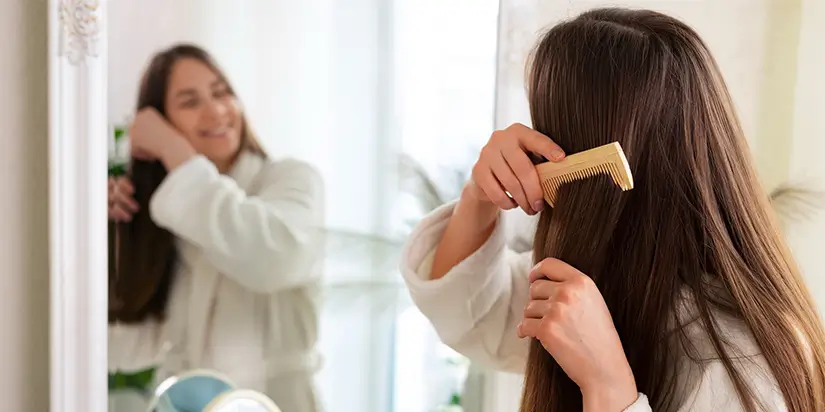
When you incorporate a rice water rinse into your routine, you are essentially giving your hair a nutrient-rich bath. Here is what you can realistically expect:
- Instant Detangling: The starch creates “slip,” making it much easier to run a comb through wet hair without breakage.
- The Shine Factor: By smoothing the outer layer of the hair, it reflects light better, giving you that sought-after “glass hair” finish.
- Texture Improvement: It fills in small gaps in the hair surface, making coarse strands feel much softer and more manageable.
- Scalp Refresh: It can soothe a tired scalp and provide a clean, refreshed feeling without using harsh chemicals.
Hype vs. Reality: Managing Expectations
It is easy to get caught up in the dramatic “before and after” videos seen online. However, it is important to understand the biological limits of what a simple water rinse can achieve.
The “Hair Growth” Myth: Many people promote diy rice water for hair growth as a miracle cure. While it reduces breakage, it is not a medical solution for hair loss.
Surface Level vs. Deep Repair: This rice water hair treatment works primarily on the surface; it cannot replace professional bond-builders for severely damaged hair.
The Protein Overload: Because it is so rich in nutrients, using rice water for hair too often can make your hair feel stiff or brittle rather than soft.
How to Make It: The DIY Guide
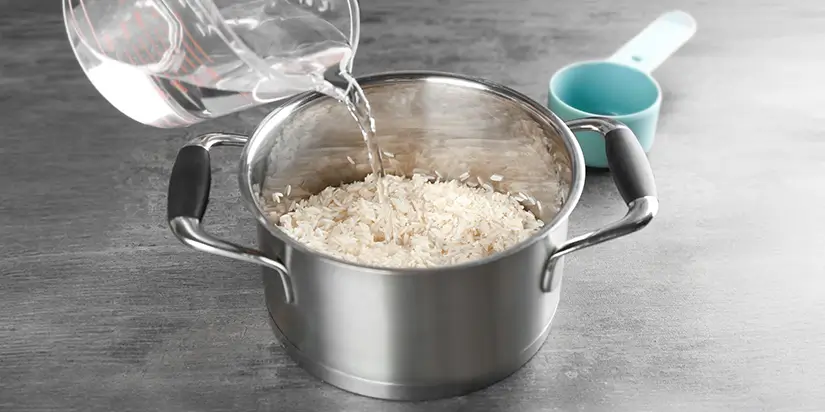
If you are wondering how to make rice water for hair, it is incredibly simple. You don’t need expensive equipment, just a bowl and some rice.
The Soaking Method: Rinse half a cup of uncooked rice, then soak it in 2-3 cups of water for 30 minutes. Strain the water into a clean bowl.
The Boiling Method: Cook rice with extra water, then strain the excess liquid once the water turns cloudy and thick.
The Fermented Version: This is where you see the most fermented rice water benefits. Let your soaked rice water sit at room temperature for 12–24 hours before using. This lowers the pH levels and makes the nutrients more potent.
Application Guide: Getting the Best Results
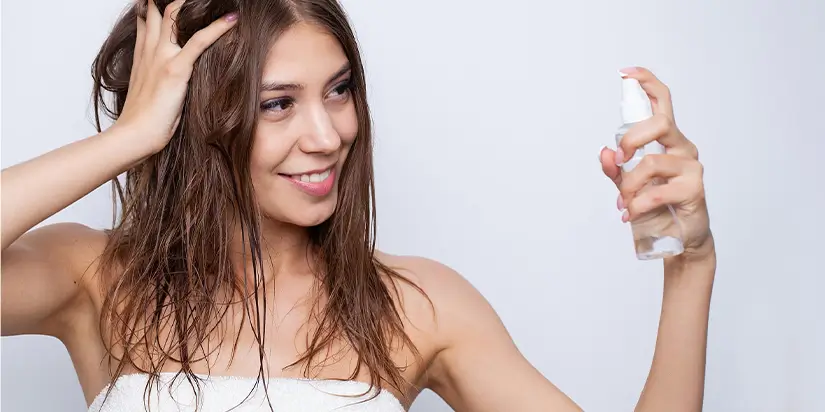
How you apply the water is just as important as how you make it to ensure you don’t weigh your hair down. Proper technique ensures the nutrients actually penetrate the hair shaft.
Frequency: For a balanced rice water hair care routine, once a week is the sweet spot to avoid buildup.
The Rinse Technique: Apply the water after shampooing, massage it into the scalp, let it sit for 10-15 minutes, and then rinse thoroughly.
Hair Type Customization: Understanding rice water for different hair textures is key; fine hair needs a diluted version, while thick or curly hair can handle a more concentrated soak.
Potential Risks & Side Effects
Natural doesn’t always mean harmless, and rice water is no exception if used incorrectly. Being aware of these risks will help you keep your scalp healthy and your hair flexible.
- Scalp Buildup: If not rinsed out properly, the starch can leave a film that leads to an itchy or flaky scalp.
- Stiffness: One of the main rice water for hair side effects is a “straw-like” texture, which happens if your hair gets too much protein at once.
The Verdict
So, is it a traditional secret or social media hype? The answer is a bit of both. Rice water for hair is a fantastic, low-cost way to boost shine and manageability. However, it isn’t a miracle cure that replaces a healthy diet and professional care.
If you use it correctly as a supplemental rice water hair treatment, you’ll likely love the results. Just remember to listen to your hair, if it feels soft and shiny, you’re doing it right!
Follow Dazzlerr for the latest trends in grooming, skincare, and fashion!
Similar Posts