One morning, the mirror shows frizz. The next, flat roots refuse to sit right, and sometimes nothing seems to work no matter how many products are used. After going through this cycle for years, I slowly started paying attention to what professionals actually do behind the chair instead of what is promoted online. That’s when I realized real hair care is less about trends and more about understanding what your hair actually needs every day.
That small shift changed everything. What stood out the most was how simple their approach really is once you look closely. These haircare tips from hairstylists are not built on expensive products or complicated routines.
Instead, they focus on small, consistent habits that quietly improve hair health over time.
7 Simple Hair Care Tips You Must Try for Better Hair Health
A simple guide to improving your hair health with easy, expert-backed habits. These practical tips help reduce damage, control frizz, and bring out naturally stronger and shinier hair.
1. Washing Matters More Than You Think
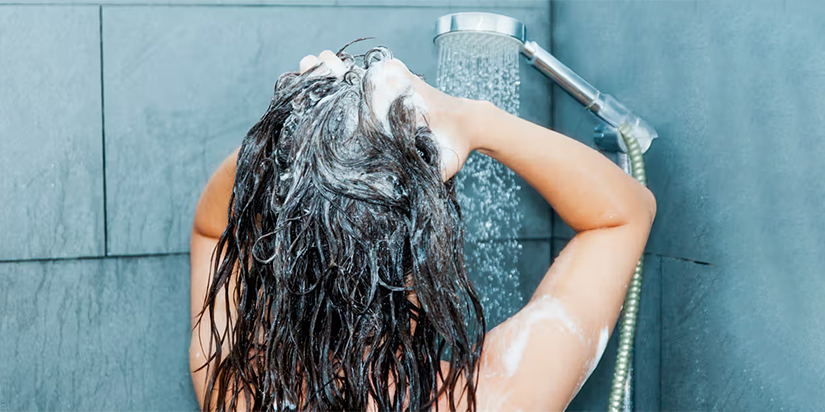
One of the first lessons I picked up through haircare tips from hairstylists is that washing hair is not just about cleanliness. It is about balance. Many people either over-wash or under-wash without understanding their scalp needs. Hairstylists often suggest focusing on the scalp first rather than the length.
A gentle cleanse removes buildup while still protecting natural oils. Water temperature also plays a role, as overly hot water can leave hair dry and lifeless. Once this adjustment is made, the difference in softness and shine becomes noticeable.
2. Conditioner Should Never Touch the Roots
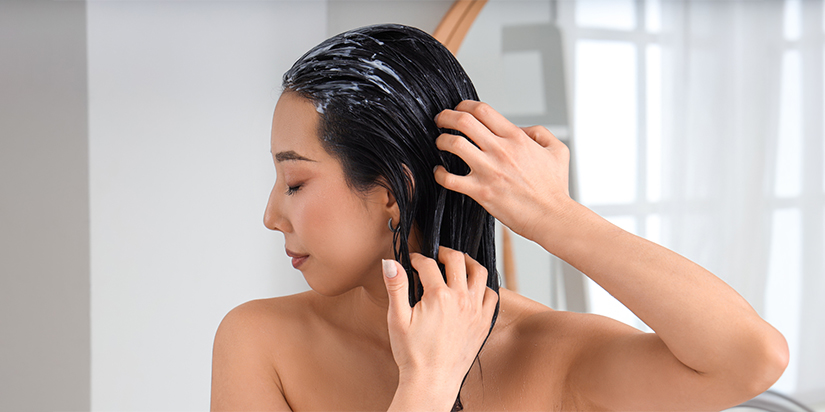
Another insight from haircare tips from hairstylists is the correct placement of conditioner. A common mistake is applying it everywhere, thinking more coverage means better hydration. In reality, the scalp does not need it.
Conditioner is designed for mid-lengths and ends where dryness usually starts. Keeping it away from the roots prevents unnecessary oiliness and helps maintain natural volume. This small adjustment alone can completely change how fresh and light the hair feels after drying.
3. Heat Styling Needs Respect
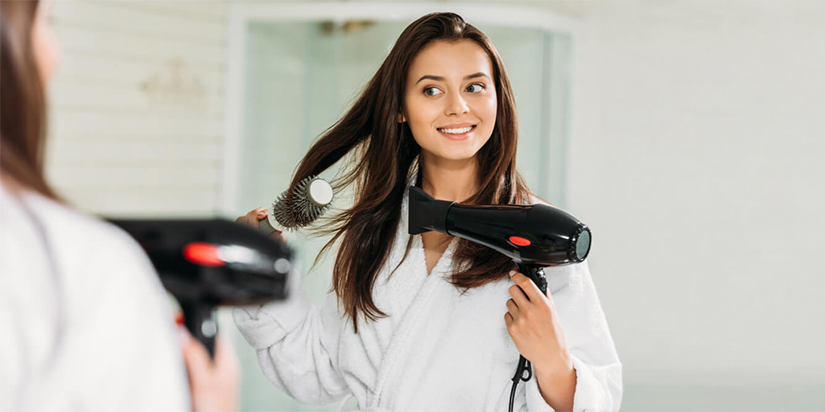
Frequent heat styling without protection is one of the fastest ways to weaken hair structure. A major point from haircare tips from hairstylists is that damage does not always show immediately. It builds silently over time. Using a heat protectant creates a barrier that reduces moisture loss during styling.
Another overlooked detail is temperature control. Extremely high heat is rarely necessary for everyday looks. Lower settings combined with controlled styling often achieve the same result with far less stress on the strands.
4. Wet Hair Is at Its Weakest Point

Hair behaves very differently when wet, and it becomes far more fragile than most people realize. Through haircare tips from hairstylists, I learned that rough towel drying is one of the most common causes of breakage.
Instead, pressing water out gently or using a soft fabric helps preserve strength. Detangling also needs patience at this stage. Working from the ends upward avoids pulling and reduces unnecessary hair fall. This one shift alone can make brushing far less damaging.
5. Brushing and Product Use Require Balance
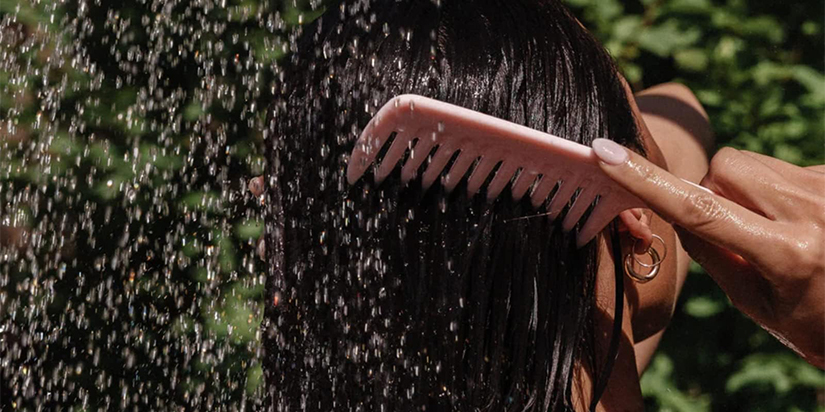
Not all hair damage comes from heat or washing habits. A large part comes from everyday handling. Another takeaway from haircare tips from hairstylists is that brushing should never be rushed. Starting from the ends and slowly moving upward prevents knots from tightening.
At the same time, using too many styling products can create buildup that weighs hair down. A minimal approach usually works better, where each product has a clear purpose instead of layering multiple formulas without need.
6. Night Routine Plays a Bigger Role Than Expected
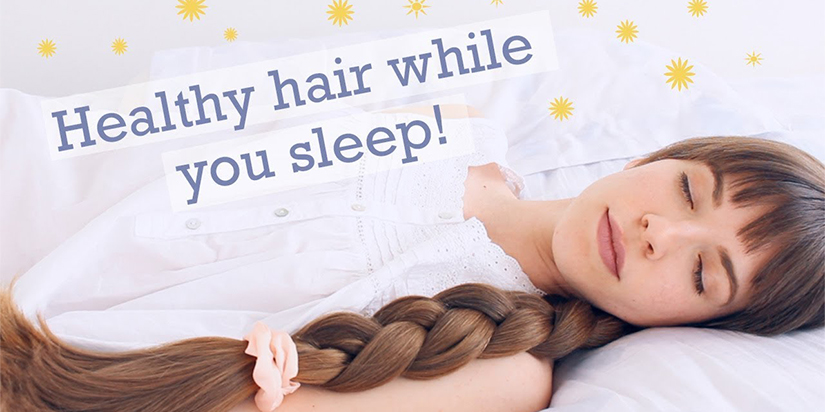
Even while sleeping, hair continues to experience friction and stress. This is why haircare tips from hairstylists often include simple nighttime habits. Loose braids or soft ties help reduce tangling.
Switching to smoother pillowcases can also reduce breakage caused by constant rubbing. These changes do not require effort during the day, yet they slowly improve texture and reduce morning frizz. Over time, the difference becomes quite visible in overall manageability.
7. Consistency Creates Real Change
Conclusion
FAQs
1. How often should hair be washed for healthy results?
It depends on the type of scalp. Oily scalps may need more frequent cleansing, while dry scalps benefit from fewer washes. The key is balance rather than a fixed schedule.
2. Is oiling necessary for all hair types?
Not always. Some hair types benefit from light oiling, while others may feel weighed down. It works best when used in moderation and based on hair texture.
3. Can heat styling be used regularly without damage?
Yes, but only with protection and controlled temperature. Without these precautions, repeated heat exposure can weaken strands over time.
4. What is the simplest way to reduce hair breakage?
Gentle handling makes the biggest difference. Avoid rough drying, detangle carefully, and reduce unnecessary pulling during brushing or styling.
Similar Posts