
The Indian summer of 2026 isn’t just about surviving the heat; it is about making a statement that lasts longer than a season. As temperatures across the subcontinent hit new records, the fashion industry is undergoing a massive shift.
For models, actors, and creators, the clothes you choose are now part of your professional resume. Eco-Summer 2026 is the defining movement where high-fashion aesthetics meet environmental responsibility. Embracing Eco-Summer 2026 ensures you stay cool while looking sharp.
What are the Top Eco-Summer Trends for 2026?

This year, the trend is “Quiet Sustainability.” We are moving away from loud slogans and toward high-quality, natural textures. The primary look for the season focuses on earth tones, think deep ochre, terracotta, and olive, achieved through herbal and vegetable dyes. Following an Eco-Summer 2026 philosophy means choosing pieces that are timeless rather than trendy.
- The Linen Revolution: Organic linen has become the gold standard. It’s no longer just for casual wear; structured linen blazers and trousers are the go-to for professional meetings.
- Monochromatic Sets: Co-ord sets made from hemp blends are dominating the streets of Mumbai and Delhi. They offer a clean, sophisticated silhouette while being 100% biodegradable.
- Solar-Protective Weaves: New textile innovations in India have led to the rise of breathable fabrics 2026 that offer natural UV protection without chemical coatings.
Why Is Sustainable Fashion Essential for Models Now?
In the current market, your “green” credentials matter as much as your portfolio. Major Indian retail giants are now under strict mandates to track their supply chain ethics. When a brand looks for a face for their campaign, they seek talent that reflects their corporate values. This is why sustainable fashion 2026 is no longer optional for those at the top of their game.
For a professional, wearing sustainable fashion 2026 isn’t just a style choice, it’s a career strategy. It shows casting directors that you are aware of global shifts and that you care about the legacy of the products you promote. Incorporating Eco-Summer 2026 pieces into your daily wear builds a consistent brand image.
Which Breathable Fabrics Are Best for Indian Summers?
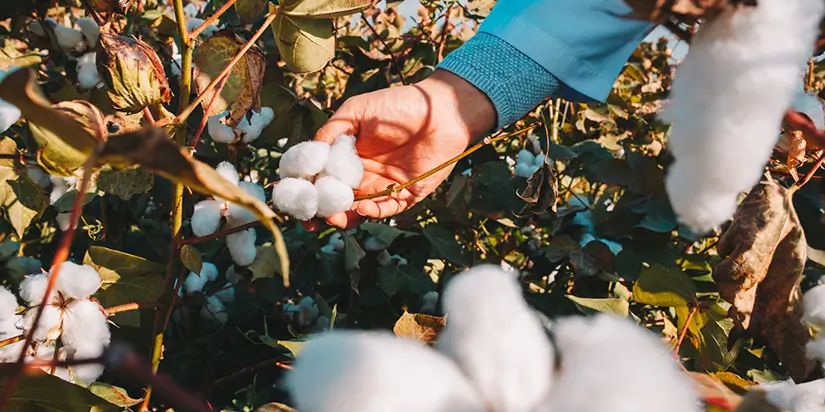
With humidity levels in coastal cities reaching 85%, fabric choice is a matter of health and performance. Choosing the right eco-friendly summer wear is vital for long outdoor shoots. Specifically, linen for models is a top recommendation because it can absorb up to 20% of its weight in moisture before feeling damp.
- Organic Cotton: Unlike conventional cotton, organic versions use 91% less water during production and are free from itchy pesticide residues.
- Hemp: This is the “super-fabric” of 2026. It is four times stronger than cotton and becomes softer with every wash, making it perfect for long days on set.
- Bamboo Silk: For those who need a red-carpet glow without the ethical concerns of traditional silk, these breathable fabrics 2026 offer a cooling, luxurious sheen.
- Kala Cotton: An indigenous Indian rain-fed crop that is naturally carbon-neutral and incredibly hardy against the heat.
Using high-quality linen for models ensures that your clothes don’t look wilted after a few hours in the sun, which is a core part of the Eco-Summer 2026 aesthetic.
How to Style Upcycled Outfits for Your Portfolio?
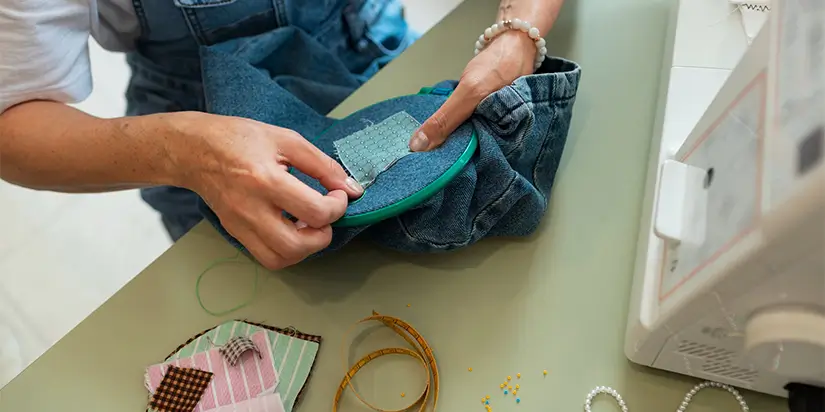
Your portfolio needs to stand out in a sea of digital content. Upcycled summer outfits show that you have a creative eye and a unique personality. This move toward slow fashion India is gaining massive traction among Gen Z and Millennial audiences who value authenticity.
- Layering with Purpose: Use an upcycled denim vest over a simple white linen dress. It adds depth to a photo without making you overheat.
- Focus on Detail: Highlight the craftsmanship. If a garment is made from old sarees or deadstock fabric, make sure the camera catches those unique textures.
- The Narrative: When posting these looks on social media, share the story of the garment. Audiences in 2026 crave authenticity, and upcycled summer outfits get more engagement than mass-market fashion.
The Eco-Summer 2026 movement encourages this storytelling approach, making your social media presence more impactful.
How Does the 2026 IT Rule Protect Your Digital Image?
As a creator, your digital likeness is your most valuable asset. The updated 2026 IT Rules in India have introduced stricter protections against unauthorized AI usage of a professional’s face and voice. This means that if you are shot wearing a specific eco-friendly summer wear brand, your digital “twin” cannot be used in other advertisements without your explicit consent and compensation.
This rule ensures that as you build your brand in the slow fashion India space, your image remains under your control. By aligning with Eco-Summer 2026, you are positioning yourself in a protected, high-value niche.
FAQs
What is the biggest summer fashion trend for talent in India for 2026?
The shift toward “Eco-Conscious Summer Fashion” is the major trend. Models are prioritizing breathable, natural fibers like organic linen and hemp to maintain comfort and professional polish during high-heat outdoor assignments.
Why is sustainable fashion becoming a requirement for modeling?
In 2026, many global and Indian brands are mandated to report their carbon footprint. They prefer hiring talent that aligns with their “Green Transition” goals, making eco-conscious styling a competitive advantage for your career.
Can I wear upcycled clothing to a professional acting audition?
Absolutely. Upcycled fashion is seen as a mark of creativity and individuality. In 2026, casting directors value “authentic personality” over mass-produced looks, making upcycled pieces a great conversation starter.
How do I know if a brand is truly eco-friendly?
Look for transparency in their supply chain. In India, 2026 trends favor brands using handloom fabrics, natural dyes, and ethical labor. Avoid “greenwashing” by checking for third-party certifications on the brand’s website.
Similar Posts