
Every great marketing campaign starts with a strong visual, but before publishing photos or videos, businesses must secure legal permission to use a person’s image. A model release form in India is a legal agreement that grants this permission, helping brands avoid disputes, protect everyone’s rights, and confidently use content featuring professional models, influencers, employees, or customers.
This guide explains what a model release form is, when it is needed, what it should include, and why every brand should understand the model contract basics before planning its next campaign.
What Is a Model Release Form?
A model release form is a written agreement between a model and the person or business using their photographs or videos. It gives permission to use the model’s likeness for commercial purposes.
A model release form in India clearly explains how, where, and for how long the images may be used. It protects both the model and the brand by setting clear expectations from the beginning.
Understanding the model contract basics helps businesses avoid confusion. It also ensures both parties know their rights and responsibilities before the shoot begins.
Common situations where a release form is required include advertising campaigns, promotional videos, websites, brochures, and social media content.
Why Do Brands Need a Model Release Form?
Using someone’s image without permission can create legal problems. A signed release form reduces that risk and gives brands confidence when using marketing content.
A model release form in India confirms that the model has agreed to commercial use of their photos or videos. This written consent becomes valuable if questions arise later.
Learning the model contract basics also improves communication between brands and talent. Everyone understands the agreed terms before any content is created.
A proper release form also helps brands comply with advertising and privacy requirements while protecting their professional reputation.
When Is a Model Release Form Required?
A release form is usually needed whenever images are used to promote a business, product, or service.
A model release form in India is commonly required for:
- Commercial advertisements.
- Social media campaigns.
- Website banners and landing pages.
- Print brochures and flyers.
- Product packaging.
- Email marketing campaigns.
- Billboards and outdoor advertising.
- Promotional and commercial videos.
Knowing the model contract basics makes it easier to identify when written permission should be collected before publishing any marketing material.
What Information Should a Model Release Form Include?
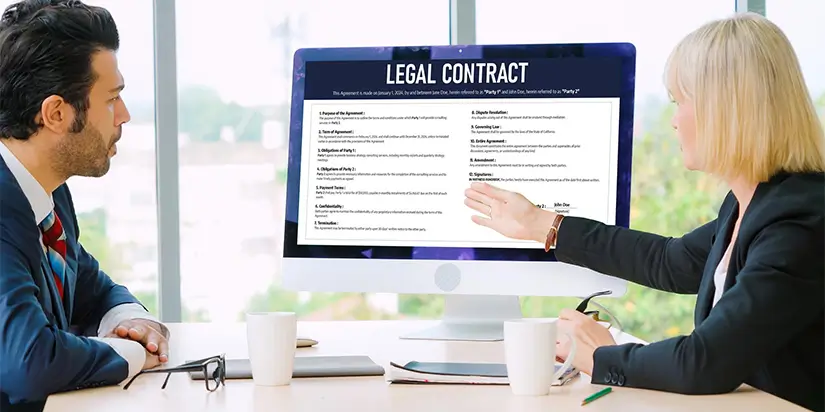
A well-written release form should be clear and complete. Missing information may create confusion later.
A model release form in India should include the following details.
1. Identity of the Parties
The document should mention the full legal names and contact details of both the brand and the model.
2. Scope of Image Usage
The agreement should explain where the content may appear. This may include websites, social media platforms, advertisements, printed materials, or television.
3. Duration of Permission
The release should clearly mention whether the permission is valid for a specific period or forever.
4. Compensation
The agreement should explain whether the model is receiving payment, free products, or participating without compensation.
5. Signatures
The document should include signatures from the model and the brand representative. If the model is under 18, a parent or legal guardian must also sign.
Understanding the model contract basics ensures that each section is properly completed before the campaign begins.
Different Types of Model Release Forms
Not every project requires the same type of agreement. Brands should choose the release form based on the people involved.
1. Adult Model Release
This form is used when the participant is 18 years or older. A model release form in India for adults records the model’s permission to use their images for commercial purposes.
2. Minor Model Release
If the participant is under 18, a parent or legal guardian must sign the agreement before any commercial use.
3. Group Model Release
This version is used when multiple individuals appear in the same photoshoot or video. It helps simplify documentation for group campaigns.
4. Simplified or Public Release
This is a shorter and easier-to-understand release form. It is often used for quick photoshoots in public places where people need to sign on the spot.
5. Limited or Exclusive Release
This release limits how the images can be used. It may specify where the photos can be used, how long they can be used, or whether they are allowed only in print or digital media.
6. Property Release
A property release is used when photographs include privately owned property, such as a house, office, or vehicle. It gives permission to use images of the property for commercial purposes.
Benefits of Using a Model Release Form
Using a release form benefits both brands and models. It creates a professional working relationship and reduces unnecessary risks.
A model release form in India offers several important advantages.
- Protects brands from legal disputes.
- Clearly defines image usage rights.
- Reduces misunderstandings.
- Builds trust with models and creators.
- Makes future marketing campaigns easier.
- Supports professional business practices.
Brands that understand the model contract basics are better prepared to manage commercial shoots with confidence. They also save time by avoiding disputes over image ownership or usage rights.
A properly signed model release form india also makes it easier to reuse approved content across multiple marketing channels without uncertainty.
Conclusion
Strong visuals help brands attract attention, but every successful campaign also needs proper legal protection. A model release form in India gives businesses the permission they need to use photographs and videos responsibly while protecting the rights of the people featured.
Learning the model contract basics allows brands to create clear agreements, avoid misunderstandings, and build stronger professional relationships. Whether you are planning a small social media campaign or a national advertising project, written consent should always be part of your workflow.
Making a model release form in India a standard part of every commercial photoshoot is a simple step that protects your brand, respects your talent, and supports long-term marketing success.
FAQs
1. Can a model revoke a signed release form later?
Generally, no, provided valid compensation was exchanged. A properly drafted contract remains in effect unless an expiration date is explicitly stated in the scope of usage clause.
2. Are digital or e-signatures legally binding on releases?
Yes. Electronic signatures comply with global digital laws (like the ESIGN Act) provided they offer an verifiable, timestamped audit trail.
3. What is the difference between commercial and editorial use?
Commercial use promotes a product, service, or brand and usually requires a model release. Editorial use is for news, education, or public interest and generally does not require one.
4. Can a model revoke a signed model release later?
In most cases, no. A properly signed release remains legally valid unless it includes an expiry date or cancellation clause.
5. Who owns the copyright of the photo?
The photographer usually owns the copyright. The model release only gives permission to use the model’s image, not ownership of the photo.
6. How do model releases work for minors under 18?
A parent or legal guardian must sign the release on behalf of the minor. A minor cannot legally sign a binding contract.
7. Is a digital signature valid on a model release form?
Yes. In many cases, digital signatures are legally valid if they meet the applicable legal requirements and both parties agree to use them.
8. Should freelancers and influencers sign a model release form?
Yes. If their photos or videos will be used for commercial marketing, a signed model release form helps protect both the brand and the individual.
Similar Posts